Editor's Pick | February 10, 2026
Editor’s Pick: The Evolution of Resort Dining in the Maldives
Dining in the Maldives has undergone a significant transformation since tourism first emerged in the early 1970s. In the country’s earliest resorts, food was largely functional. Limited infrastructure, logistical challenges, and reliance on imported supplies shaped simple menus designed to meet basic guest expectations. Early dining concepts prioritised familiarity and practicality over innovation or cultural expression.
At the same time, Maldivians at home maintained a distinct culinary tradition built around locally available ingredients such as tuna, reef fish, coconut, rice, and spices. However, for many years, this cuisine remained largely separate from the resort experience. Local food was rarely integrated into menus in a meaningful way, as early hospitality models focused on predictability and international standards rather than destination-specific identity.
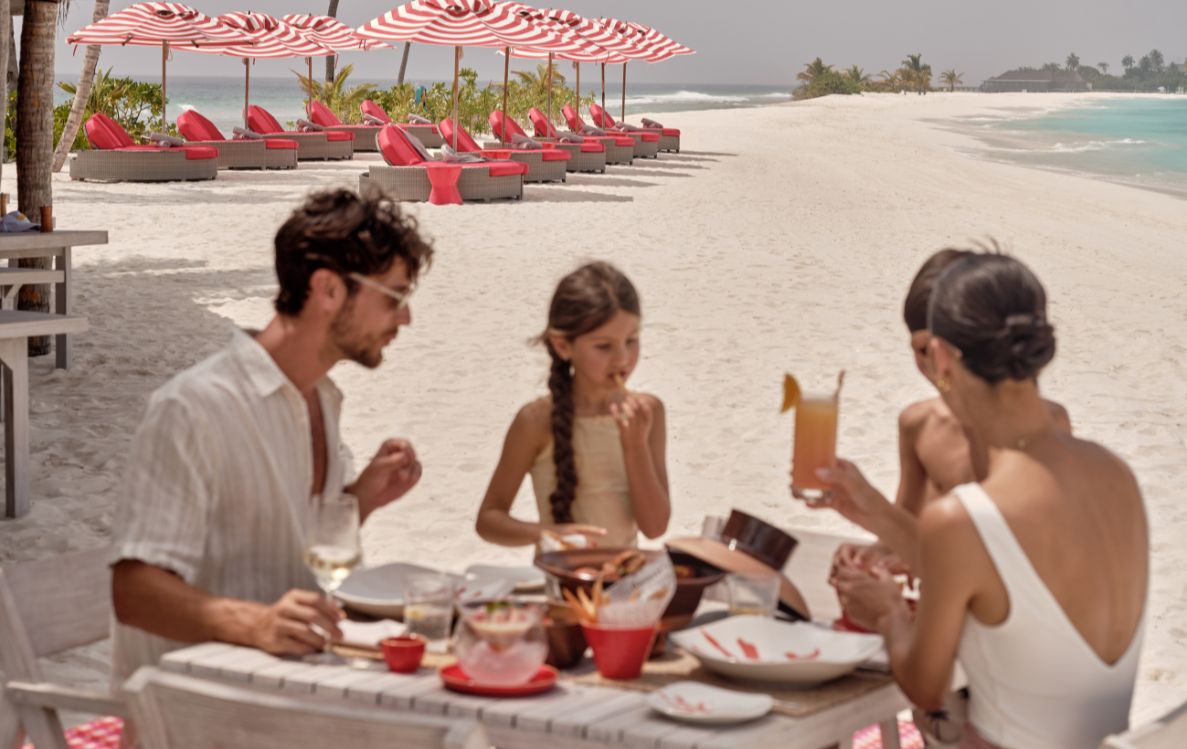
As the Maldives developed into a global luxury destination, guest expectations evolved alongside it. Travellers began seeking experiences rather than amenities, and dining became an increasingly important part of the overall resort offering. Food was no longer judged solely on quality and service, but on how it contributed to a sense of place. This shift encouraged resorts to move beyond generic international menus and engage more thoughtfully with Maldivian ingredients, flavours, and culinary techniques.
Today, Maldivian-inspired cuisine is often presented through a modern lens. Local ingredients such as coconut, seafood, and regional spices are incorporated with greater confidence, balanced by international techniques and refined presentation. Rather than themed evenings, many resorts now position Maldivian flavours as part of a broader, contemporary dining narrative.
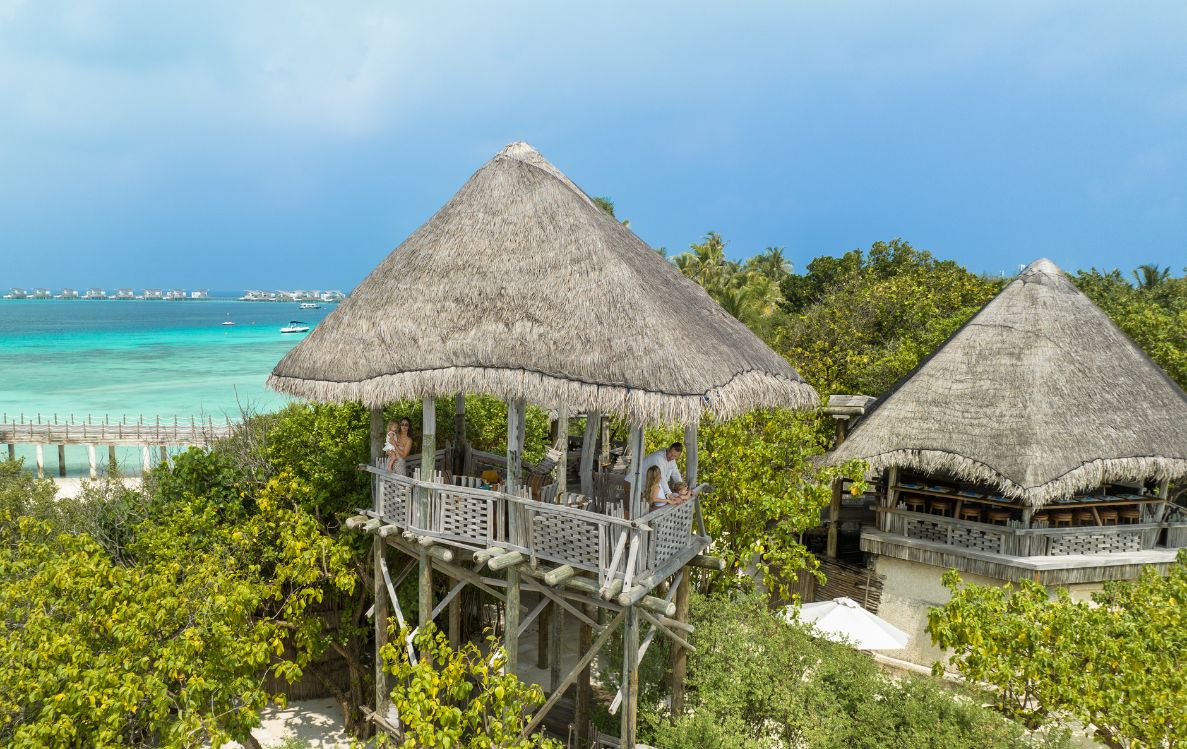
The physical environment has also become central to the dining experience. Surrounded by ocean and open skies, resorts increasingly design restaurants as vantage points, whether overwater, beachfront, elevated, or immersed in nature. In the Maldives, setting is not an accessory to dining, but a defining element of it.
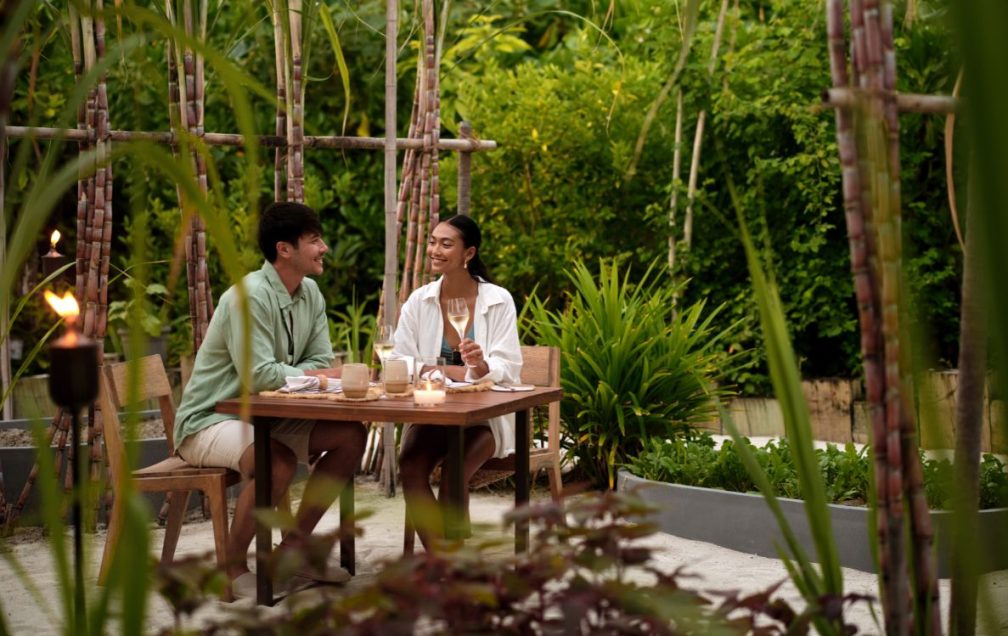
Sustainability has further influenced this evolution. Resorts are responding to operational and environmental realities by investing in kitchen gardens, reducing food waste, and sourcing more responsibly where possible. These initiatives aim to improve freshness, manage costs, and align dining operations with broader sustainability goals in a country heavily dependent on imports.
Collectively, these shifts reflect a more mature approach to resort dining in the Maldives. What was once a supporting service has become a strategic component of the guest experience, contributing directly to destination appeal, brand differentiation, and long-term value for the industry.
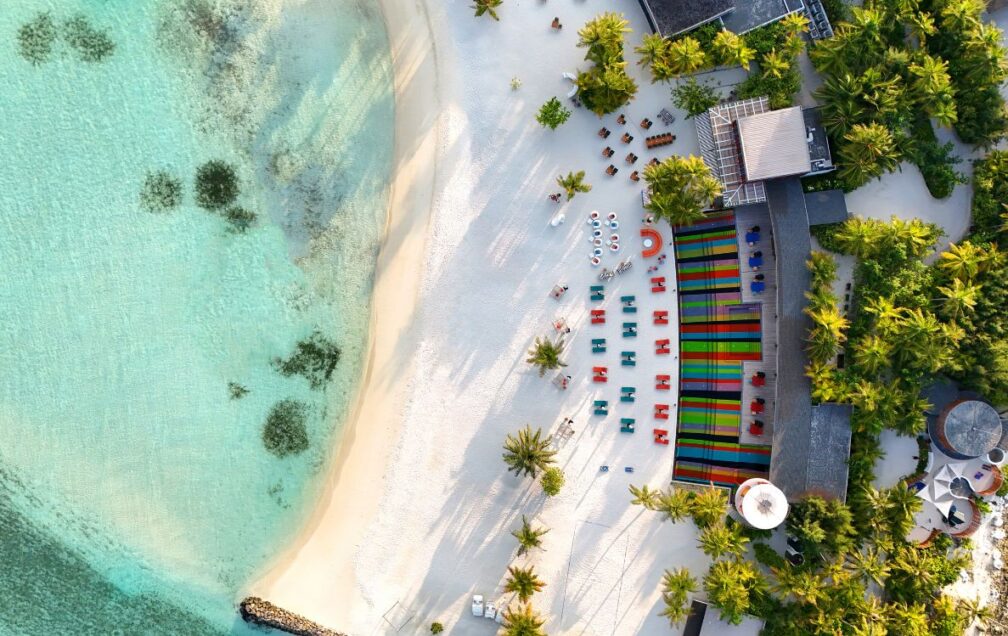
Featured image: Patina Maldives, Fari Islands
Latest Travel News

News | July 29, 2026
Chasing Sunsets: Discover the Magic of Golden Hour at Villa ResortsExperience unforgettable golden hour moments at Villa Resorts, where breathtaking Maldivian sunsets create the perfect backdrop for every island escape.

News | July 29, 2026
.Here Baa Atoll Earns Forbes Travel Guide VERIFIED ™ Responsible Hospitality Recognition.Here Baa Atoll earns Forbes Travel Guide's VERIFIED™ Responsible Hospitality recognition for its commitment to sustainable luxury and guest wellbeing.
-Advertisement-