Chef Sean Derrick Walles
Executive Chef at Amilla Maldives
Executive Chef at Amilla Maldives
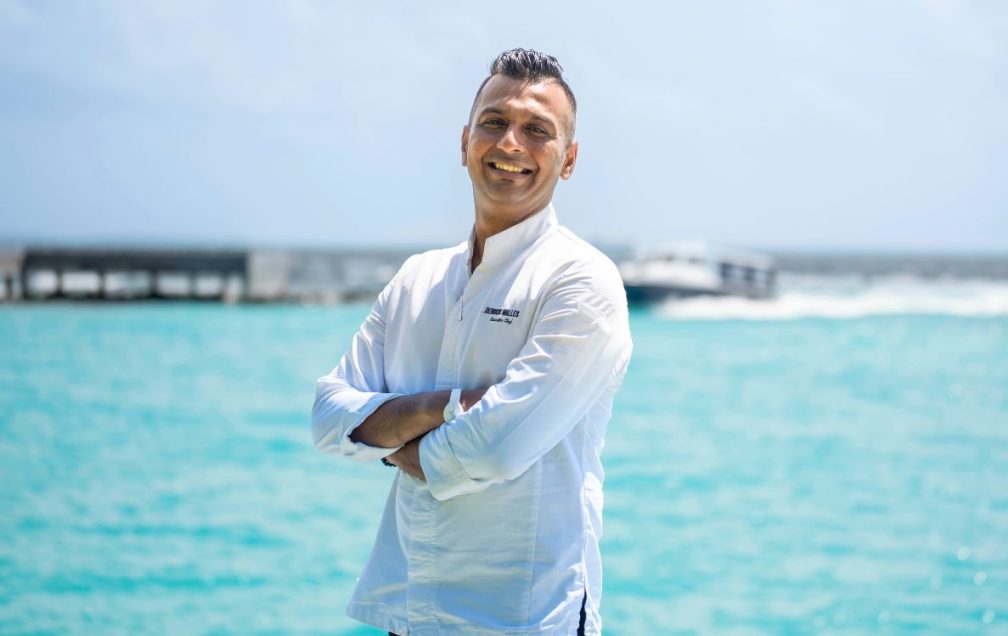
Chef Sean Derrick Walles brings a wealth of international experience and a deeply hands-on approach to his role as Executive Chef at Amilla Maldives. His culinary journey spans some of the world’s most respected luxury resorts across the Maldives, Oman, Indonesia, and Europe, shaping a philosophy rooted in authenticity, technique, and thoughtful innovation. Having led pre-opening projects, large-scale resort operations, and multi-national kitchen teams, Chef Derrick has developed a nuanced understanding of flavour, culture, and the craft of modern hospitality.
At Amilla Maldives, Chef Derrick is focused on elevating the resort’s culinary identity through authentic flavours, wellness-driven menus, and a strong commitment to sustainability and mentorship. In this interview, he shares insights into how his global experiences influence his approach to food, his vision for Amilla’s dining concepts, and his dedication to nurturing the next generation of Maldivian culinary talent, while creating memorable, guest-centred dining experiences that resonate long after the stay ends.
My culinary journey began with Hilton, where I trained as an apprentice and worked across 12 different kitchens, gaining a strong foundation in operations, organisation, and discipline. I first came to the Maldives in 2011, joining the high-end resort Huvafen Fushi and working in a fine-dining concept focused on raw cuisine. The talented team there helped shape my thinking, and in 2013 I gained recognition for a lunch outlet, which motivated me to think creatively and build unique concepts.
I went on to pursue pre-opening and large-scale operations, joining Finolhu, then LUX* Maldives to understand bigger resort dynamics with 194 villas and 12 outlets. I then worked on a private island where I led a team made up of 14 nationalities. That diversity helped me learn authentic flavours directly from chefs of different backgrounds, Chinese, Vietnamese, and many others, and understand what “real flavour” truly means.
I went on to Soneva, where I helped develop a farm-to-table concept that relied heavily on ingredients from the resort’s gardens. We paired local ingredients with premium elements to elevate the final result, and it became very successful. After that, I joined Patina for a major pre-opening project and helped guide the team, especially in adapting to the Maldives market through pricing, organisation, experiences, and guest-focused dining activities.
I then became Executive Chef at Six Senses, achieving international recognition. Experiences in Europe and Oman further expanded my understanding of technique and flavour. Travel has taught me how techniques overlap across cultures, even something as simple as marination can carry similar roots in different regions.
All of this shaped how I run kitchens today: I focus on authenticity, technique, training, and efficiency. I like to work with numbers, temperatures, timing, precision, but I also believe great food comes from energy. A happy chef makes good food. I always say cooking is not rocket science, it’s about your soul. The feeling you put into food matters, and the goal is always to create something memorable.
I want Amilla Maldives to become one of the top culinary resorts. That’s genuinely my goal. I’ve proven this through my past experiences, even before joining Amilla, I received recognition for Best Restaurant in Bali in 2025.
Here, everything is possible. It comes down to how you teach, delegate, and execute with the team. My signature style is rooted in authenticity, food needs to feel real, unique, and true to flavour. To achieve that, you need to understand authentic destination flavours and artisanal taste profiles.
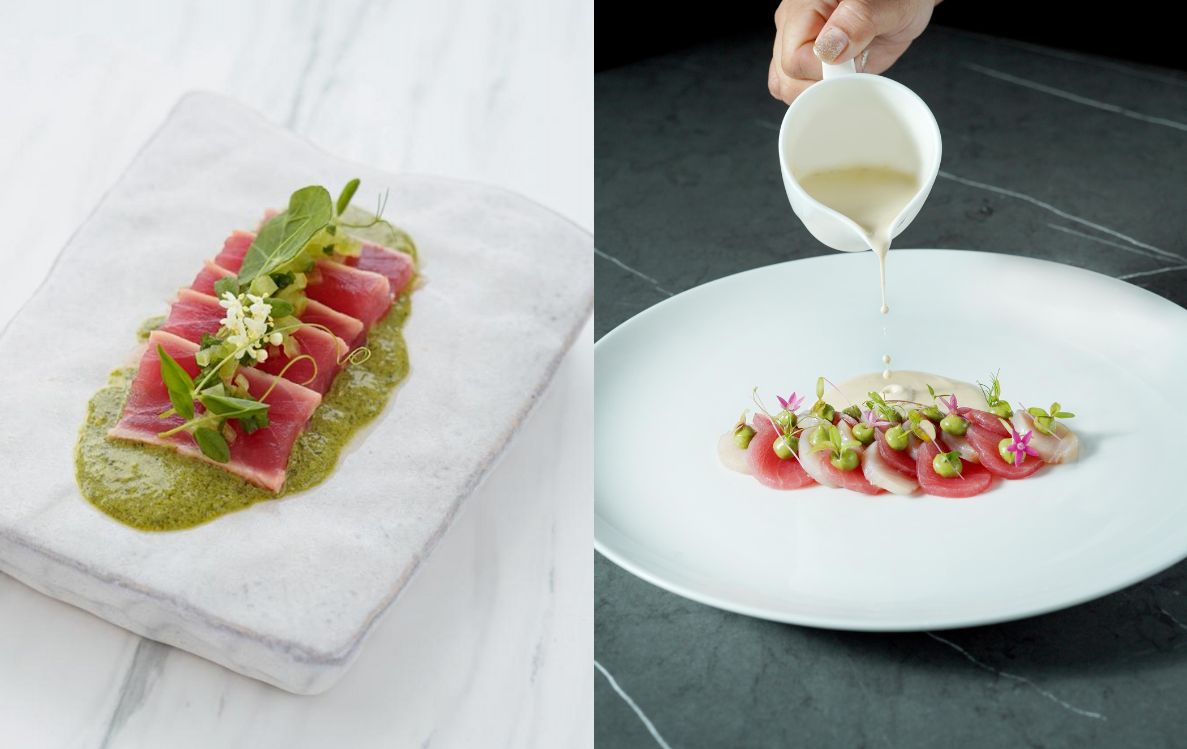
At the same time, I love creating multi-layered experiences. I enjoy blending cuisines in a way that feels new without harming the original flavour. For example, I like to twist Maldivian ingredients with Italian or Japanese techniques, like tuna spaghetti with a carefully balanced sauce. It’s about creativity, but always with respect for authenticity.
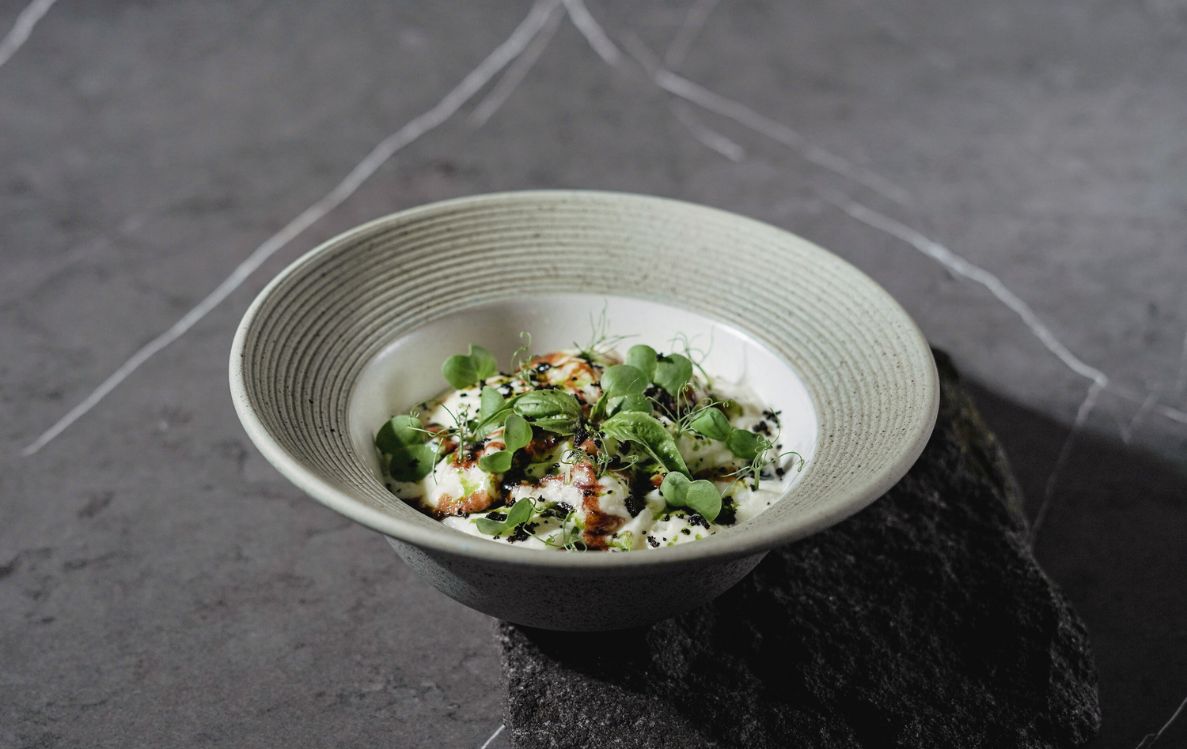
People often assume wellness food is boring, but it doesn’t have to be. When you use the right techniques, respect the ingredients, and balance flavours properly, healthy food can be exciting and memorable.
For example, I work a lot with plant-based dishes and enjoy combining textures and flavour layers, like Jerusalem artichoke for earthy depth, or pumpkin prepared in different ways to create contrast and elevate the dish. It’s about understanding flavour profiles and using technique to bring out the best in each ingredient.
We are also improving wellness options across breakfast and daily dining, smoothie of the day, smoothie bowls, healthy jars, and better salad dressings using superfoods like goji berries and flaxseed. These additions support nutrition while still tasting great.
Food waste is another major focus for me. I want more scratch cooking, better use of ingredients, and less waste. I’m also looking to reduce excess sugar and fat where possible, without destroying flavour. For instance, I’ve developed a vegan chocolate fondant that still tastes like proper chocolate, because chocolate is chocolate; it’s about ingredient selection and method.
Finally, I believe modern hospitality should be more personalised. We can’t put everything on a menu, but we can talk to guests, understand what they like, and customise experiences so they never feel bored. My food style is light, fresh, and not overly complicated, it should feel like a memory.
Guests arrive with different palates, so balance matters. Some prefer mild flavours, some enjoy spice, and some are not used to fermented or smoky notes. The key is understanding each ingredient’s profile and adjusting intensity without losing authenticity.
For example, valhomas (smoked tuna) has a strong smoky flavour that locals love, but it can be intense for some international guests. I’ve used it in creative ways, even in pasta, where it becomes part of the flavour rather than the dominant note.
I also enjoy showcasing Maldivian ingredients through modern techniques. We’ve done tasting dinners where local dishes are reimagined with new textures or paired with Japanese elements. Even in the Maldives, food varies island to island and from north to south, the same dish can be made in completely different ways. That diversity is inspiring, and it allows us to introduce Maldivian flavour gradually while still keeping it authentic.
I have a lot of signature recipes across Japanese, Italian, and modern fusion, and I’m also very strong in plant-based cooking. Wellness-focused food is a big passion of mine, because the world is moving in that direction.
Food affects the body and the immune system, so I want the team to understand ingredients properly, how to identify what is fresh, what is safe, and what should be discarded. That education is important.
I also want to bring more local character into the guest experience, including arrival amenities that have a Maldivian touch. My focus is not on overwhelming variety. It’s on fewer items done exceptionally well, unique, memorable, and crafted with intention. When guests remember a dish long after they leave, that’s when you know you’ve done something meaningful.
Mentoring young chefs is a responsibility. Sharing knowledge is part of the job. For me, it starts with mutual respect and understanding culture. Leadership is not about hierarchy, it’s about leading by example and guiding people through process.
One of my key training rules is simple: write everything down. No photos. When you write, you remember. It builds discipline and real learning. The younger generation often looks for shortcuts, but the basics can’t be skipped.
Chefs must respect food because food is sensitive, it affects people, and in many ways it can be medicine. When young chefs understand the value of the craft, they become more motivated, disciplined, and proud of their work.
My goal is to elevate Amilla into a leading culinary destination. The vision is clear, but results take time, menus improve over months because teams need repetition, practice, and confidence. It’s a process.
Over the next year, we will strengthen training, improve wellness and breakfast options, reduce waste, and build more personalised guest dining experiences. The aim is always the same: light, fresh, authentic food that guests remember, not just while they’re here, but long after they leave.
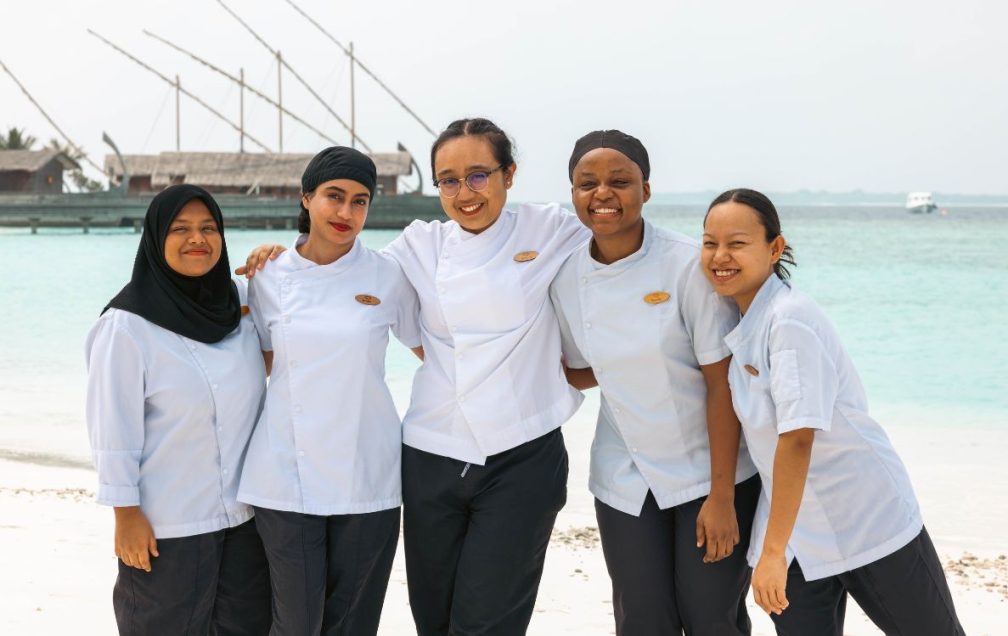
Milaidhoo Maldives honours International Women’s Day with a special dinner by five women chefs from around the world, celebrating culinary creativity.
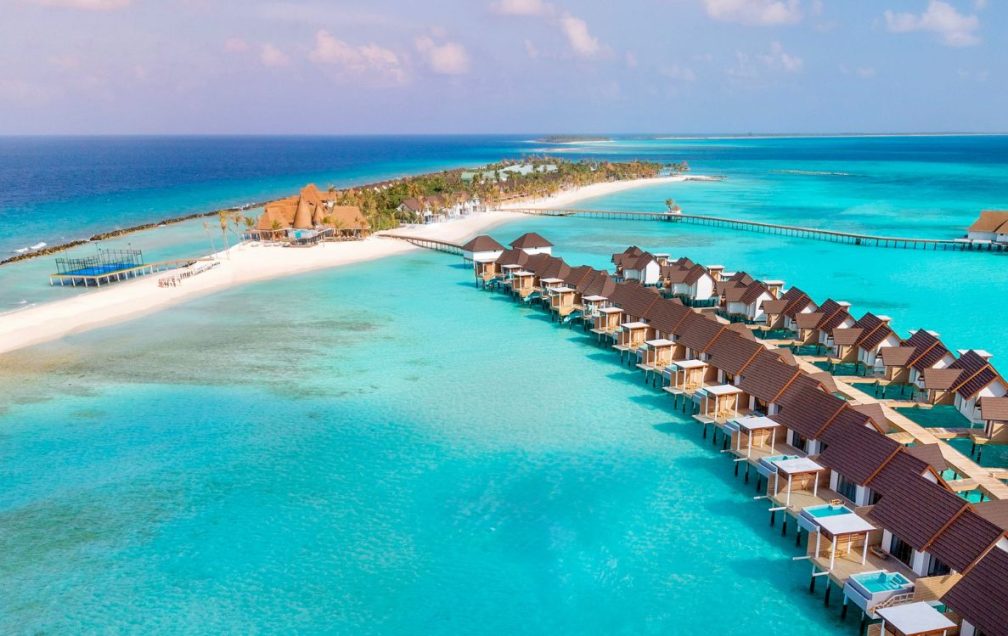
Meyyafushi Maldives officially opens “A Place to Connect Within & Beyond,” offering wellness, nature immersion and meaningful experiences in a serene island setting.
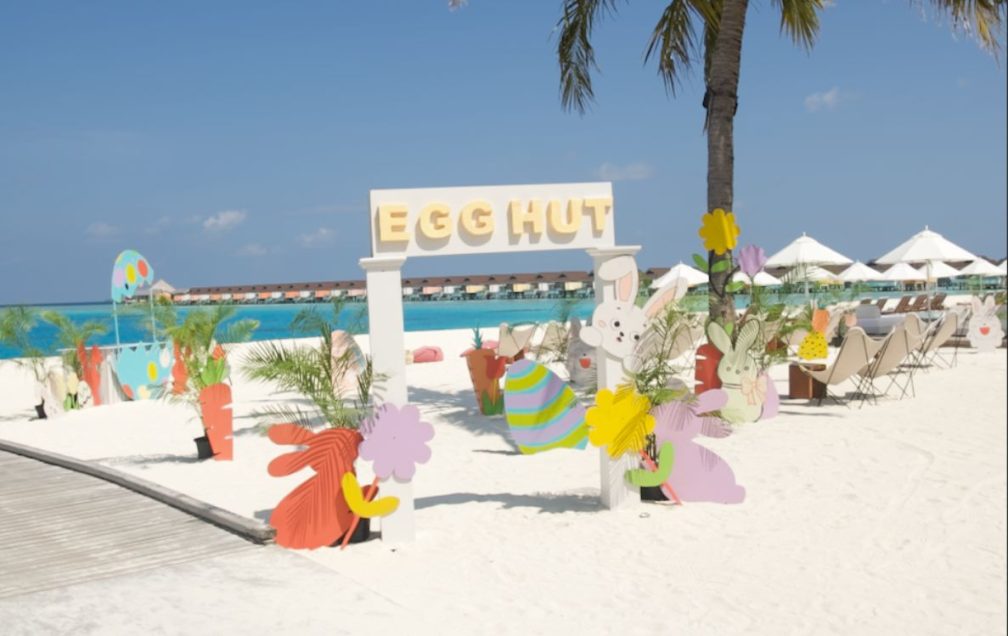
The Standard Maldives celebrates Easter with a whimsical island escape, featuring sun, sand, festive traditions, and fun-filled family experiences.