Desislav Gospodinov
Group Director of Sales & Marketing at Lily Hotels
Group Director of Sales & Marketing at Lily Hotels
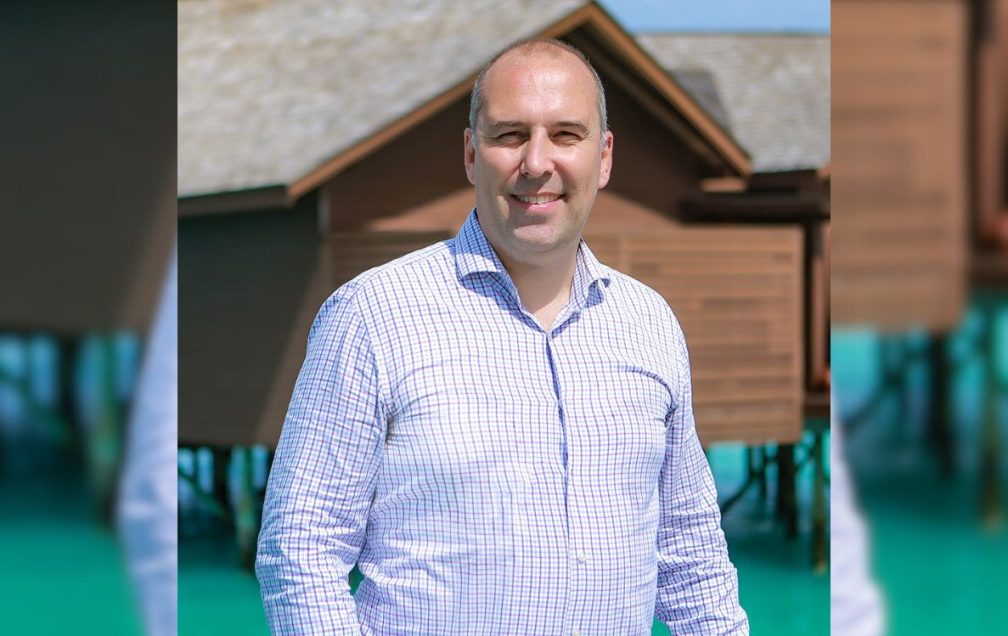
Desislav Gospodinov is the Group Director of Sales & Marketing for Lily Beach Resort & Spa and Hideaway Beach Resort & Spa, with over two decades of experience in hospitality across Europe and the Maldives. Having previously contributed to Lily Beach from 2015 to 2017, he returns with a wealth of knowledge and a wider perspective, guiding both resorts to evolve thoughtfully while remaining anchored in their Maldivian roots. His leadership blends strategic vision with a keen understanding of guest expectations, ensuring that both properties continue to offer authentic, memorable experiences.
In this interview, we highlight Desislav’s approach to sustaining the emotional connection that keeps guests returning, his insights on market trends and emerging traveller behaviours, and how he balances innovation with the signature warmth and identity of Lily Hotels. From experience-led hospitality to evolving the all-inclusive concept, Desislav shares how he shapes the resorts’ journey while remaining true to their essence.
Long-term success is built on people and relationships, not just numbers. Results matter, of course, we operate in a highly commercial environment, but sustainable growth only comes when strategy, culture, and human connection are aligned.
Over the years, I have learned that leadership is less about control and more about clarity. Teams perform best when they understand not only what the objectives are, but why they matter. At Lily Beach Resort & Spa, this philosophy shapes how we approach everything from pricing decisions to market expansion. I encourage open dialogue, challenge assumptions, and empower my teams to think commercially while staying true to the guest experience.
Another key lesson is the importance of adaptability. Luxury hospitality today is vastly different from what it was even ten years ago, guest expectations, distribution, and technology have all evolved. Remaining curious, flexible, and open to change is essential. What has not changed, however, is the value of authenticity. Guests can sense immediately when a brand is genuine, and that authenticity starts internally with leadership.
Returning to Lily Beach now at a group level feels both familiar and exciting. Lily Beach played an important role in my professional journey, and coming back with broader responsibility allows me to contribute with a deeper perspective shaped by experience across different brands, markets, and leadership structures.
The biggest change since my earlier tenure is the scale and sophistication of the business environment. Distribution has become more complex, data plays a much larger role in decision-making, and competition in the Maldives has intensified significantly. Today, success requires a far more nuanced approach to segmentation, revenue management, and brand positioning.
At the same time, what has remained unchanged is the soul of Lily Beach, the warmth of its people and the emotional connection guests form with the resort. That consistency is rare and incredibly valuable. My role now is to protect that essence while ensuring the brand continues to evolve commercially and creatively in a very competitive landscape.
For me, the most authentic expression of Lily Beach’s Maldivian spirit lies in the effortless way luxury and warmth coexist. It is not one single experience, but rather the sum of many moments. For instance, how guests are welcomed, how staff remember names and preferences, and how nature is woven seamlessly into the stay.
If I had to highlight one signature element, it would be the balance between generous luxury and genuine hospitality. Lily Beach does not feel staged or over-designed; it feels alive, natural, and welcoming. That is very much rooted in Maldivian culture.
To keep this authenticity intact as the resort evolves, we are careful not to chase trends blindly. Innovation is important, but it must feel organic.
Renovations, new experiences, and service enhancements are always evaluated to determine whether they feel true to who we are. Growth should never come at the cost of identity.
Being the pioneer of luxury all-inclusive is both a privilege and a responsibility. The concept has evolved significantly since Lily Beach first introduced it, and today, many resorts offer some version of all-inclusive. The challenge is to remain distinctive.
Our approach is not about adding more for the sake of adding more, but about adding relevance and value. We continuously refine the experience based on guest feedback, market trends, and consumption patterns. This includes elevating culinary offerings, enhancing wine and spirits selections, and creating experiences that feel bespoke rather than standardised.
Equally important is flexibility. Modern luxury travellers value choice and personalisation. Our all-inclusive philosophy today is less about limitations and more about freedom, allowing guests to enjoy their stay flawlessly, while still feeling that their individual preferences are recognised and respected.
That sense of belonging comes from emotional continuity. Guests return because they feel known, remembered, and genuinely welcomed not just as customers, but as individuals.
At Lily Hotels, we invest heavily in our people because they are the true ambassadors of the brand. Many of our team members have been with us for years, and that continuity creates meaningful relationships with repeat guests. It is incredibly powerful when a guest arrives and is greeted by familiar faces who remember their preferences, their stories, and even their family members.
Beyond service, there is also a sense of comfort in knowing what to expect, consistent quality, generous offerings, and a relaxed yet refined atmosphere. Guests trust us, and trust is the foundation of loyalty.
Lily Beach and Hideaway are intentionally different, and that is one of our strengths as a group. Each resort has a clearly defined personality and target audience.
Lily Beach is vibrant, social, and energetic, a place where couples, families, and friends come together to celebrate life. Hideaway, on the other hand, is about space, privacy, and understated luxury, appealing to guests seeking exclusivity and tranquillity.
What unites them is the Lily Hotels DNA: generous hospitality, value-driven luxury, authenticity, and a strong emotional connection with guests. From a brand perspective, my role is to ensure that while each resort speaks its own language, they both tell the same story about who we are and what we stand for.
The Maldives will remain a highly desirable destination, but growth will increasingly depend on how well resorts adapt to changing traveller behaviour.
One major shift is the rise of experience-led travel. Guests are no longer satisfied with beautiful villas alone; they want meaningful experiences, wellness, sustainability, and a sense of purpose in their travel choices.
Another important factor is market diversification. While traditional European markets remain strong, Asia, the Middle East, and India will play an even bigger role in future growth. Understanding cultural nuances and tailoring offerings accordingly will be critical.
Finally, digital transformation will continue to reshape how guests discover, book, and engage with brands. Resorts that invest in strong digital ecosystems while maintaining a human touch will be best positioned for long-term success.
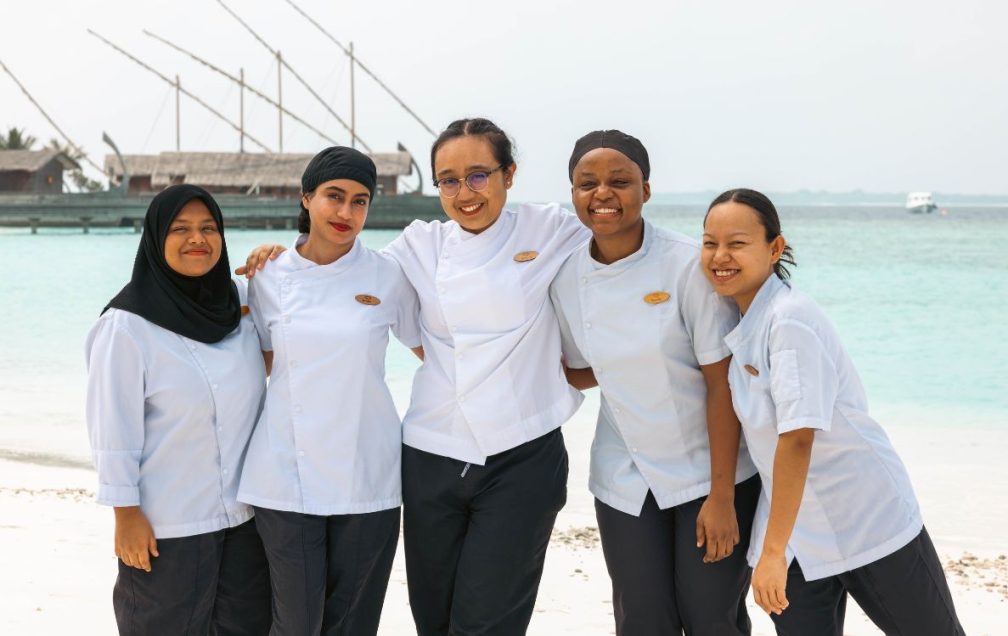
Milaidhoo Maldives honours International Women’s Day with a special dinner by five women chefs from around the world, celebrating culinary creativity.
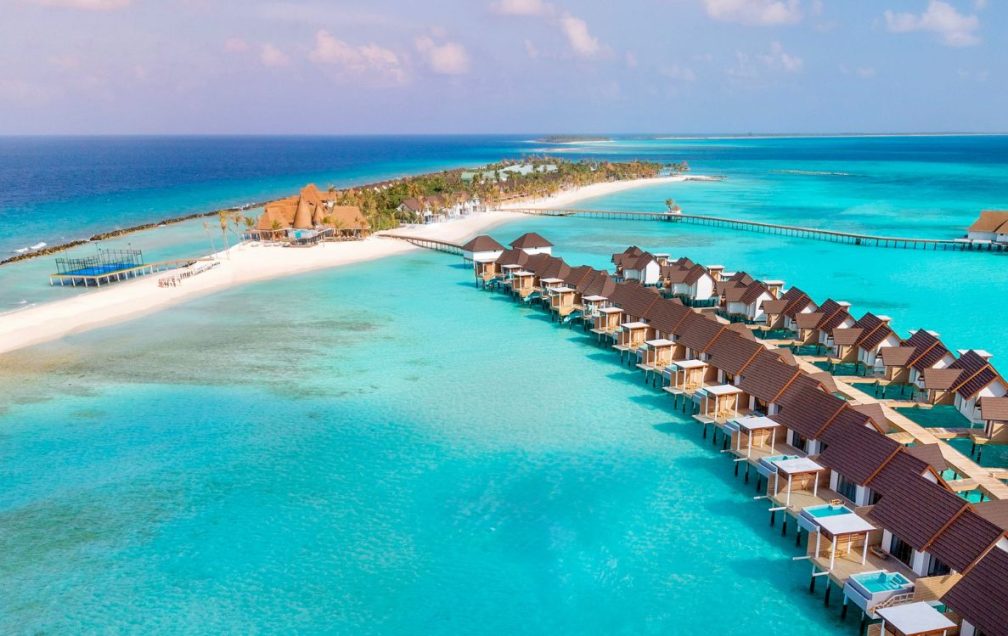
Meyyafushi Maldives officially opens “A Place to Connect Within & Beyond,” offering wellness, nature immersion and meaningful experiences in a serene island setting.
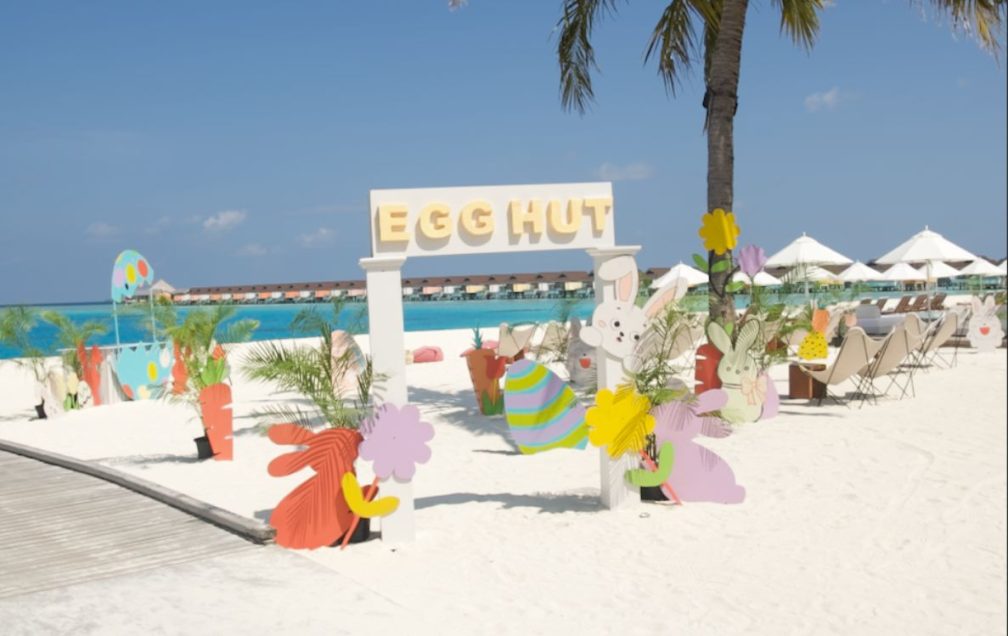
The Standard Maldives celebrates Easter with a whimsical island escape, featuring sun, sand, festive traditions, and fun-filled family experiences.