Nirodha Perdeep Kumara
Executive Chef of Makunudu Island
Executive Chef of Makunudu Island
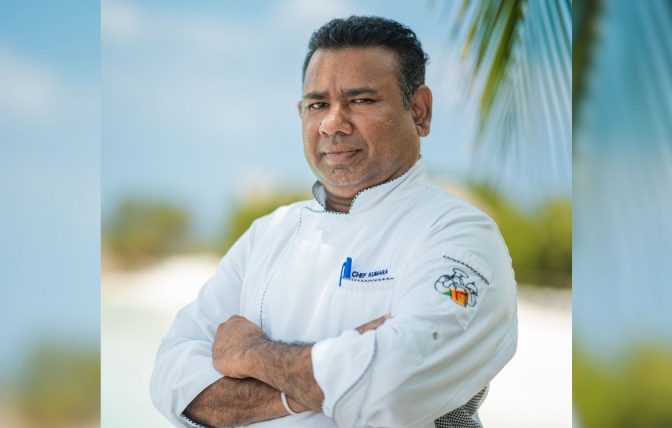
With a career spanning nearly three decades, Executive Chef Nirodha Perdeep Kumara is the culinary heart of Makunudu Island. Inspired by a family legacy of chefs in his native Sri Lanka, Chef Nirodha has dedicated a significant portion of his career to creating unforgettable dining experiences at Makunudu.
In this interview, he shares the story of his journey, his passion for blending local and international flavours, and his invaluable advice for the next generation of culinary professionals.
My path was first influenced by my uncle—one of Sri Lanka’s most respected chefs. Visiting him as a child, his encouragement—‘You should become a chef one day’—planted a seed in me. By the early 1990s, I was accompanying him to kitchen events, observing the precision and passion he brought to every dish.
Over time, I began to develop my own identity as a chef, but my uncle’s influence has always remained at the heart of my journey. For me, becoming a chef has not just been a career choice, but a calling shaped by family, tradition, and a passion passed down through generations.
For me, this island has become like a second home. I’m inspired by the beauty around us, by the diverse team I work alongside, and by the joy of crafting meals that become part of our guests’ memories.
What truly keeps me excited and involved is the opportunity to create memorable culinary experiences for guests. Each day presents a new challenge to innovate and to contribute to an unforgettable experience, whether through an intimate beach dinner or a specially designed celebration menu.
Furthermore, a significant aspect of my role, and a source of great personal satisfaction, is mentoring the next generation of chefs and witnessing their professional growth. Watching them grow gives me a sense of pride and purpose. It’s this combination of creativity, connection with people, and constant learning that fuels my passion and keeps me fully committed to my role at Makunudu Island.
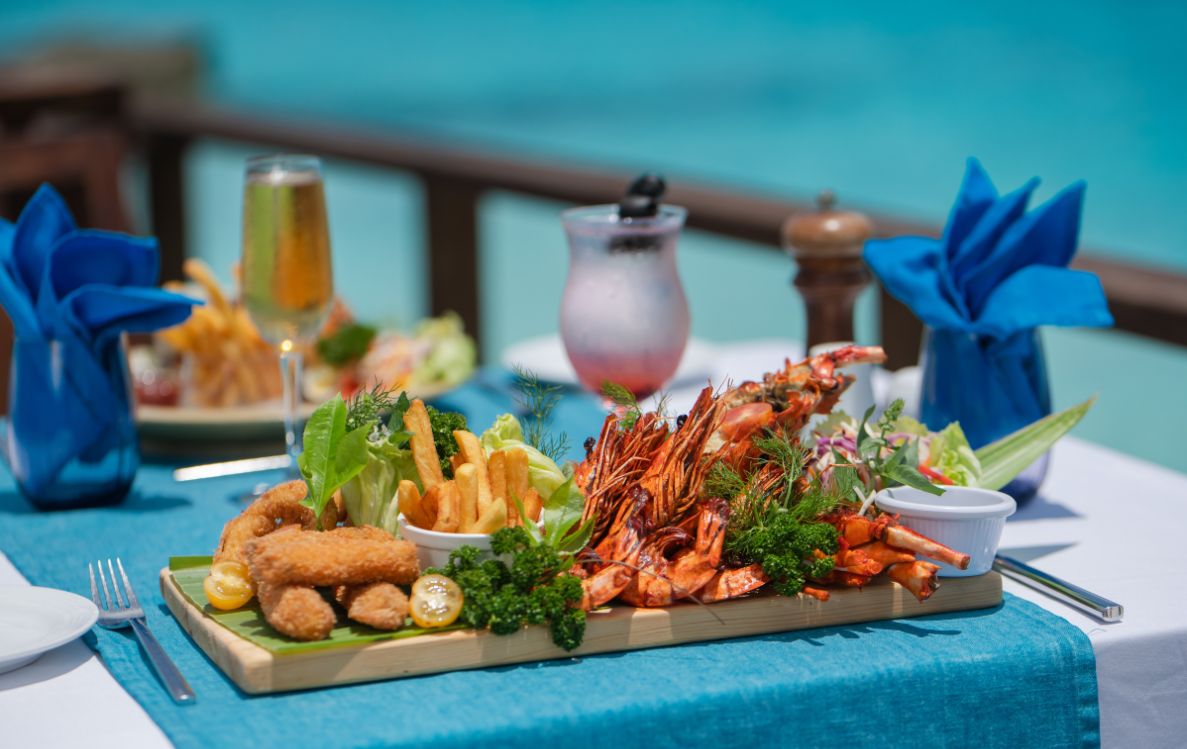
Menu design is both creative and strategic. My philosophy centers on striking a delicate balance: preserving the authentic essence of Maldivian ingredients while refining the presentation and spice profiles to appeal to a diverse, international palate.
I build each meal like a story—starting with soup, advancing through appetizers, and ending with a dessert that leaves a lasting impression. I always consider the meal’s setting—whether formal or casual—and subtly weave in trends like plant-based dishes or sustainable ingredients. Each course should flow naturally into the next, like chapters in a story.
My culinary approach centers on creating menus that are perfectly tailored to the environment and occasion. I stay current with emerging trends—such as plant-based cuisine, global fusion, and sustainability—but I integrate them thoughtfully into my signature style. This ensures my work remains fresh and innovative without ever compromising my core culinary identity, striking a balance between tradition and modernity.
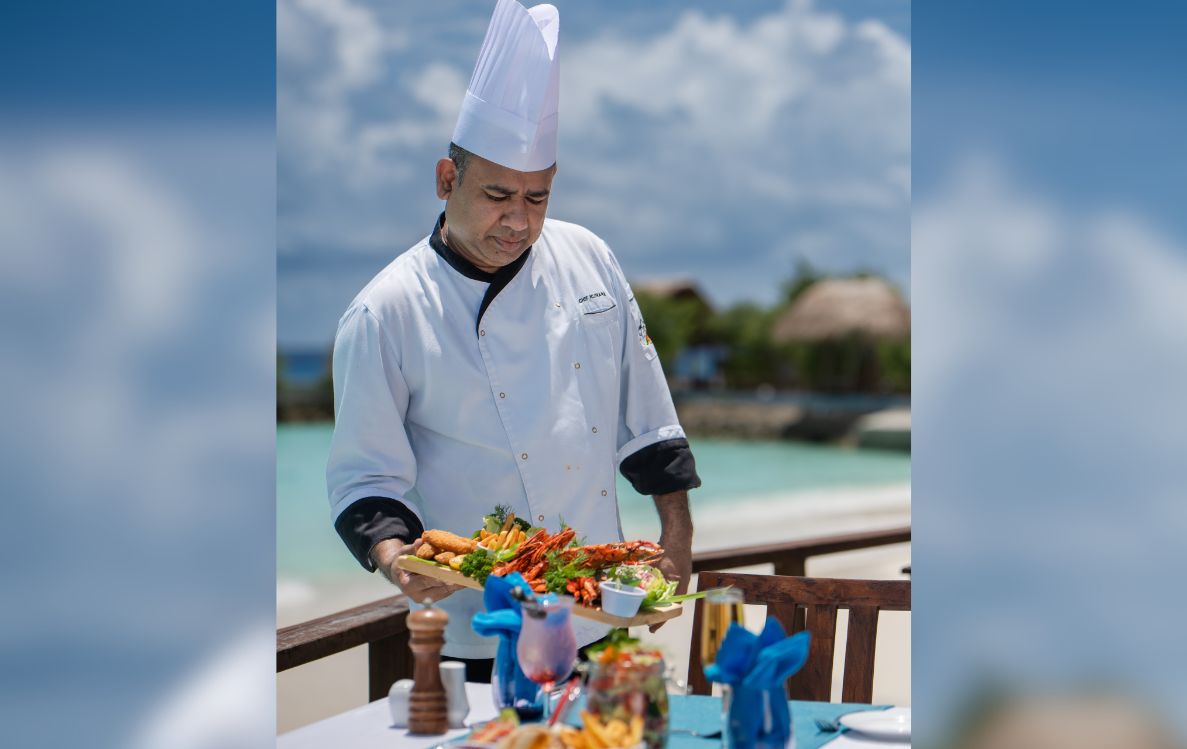
Incorporating Maldivian flavours into my dishes has felt very natural to me, especially because Maldivian cuisine shares many similarities with Sri Lankan food—something I grew up with.
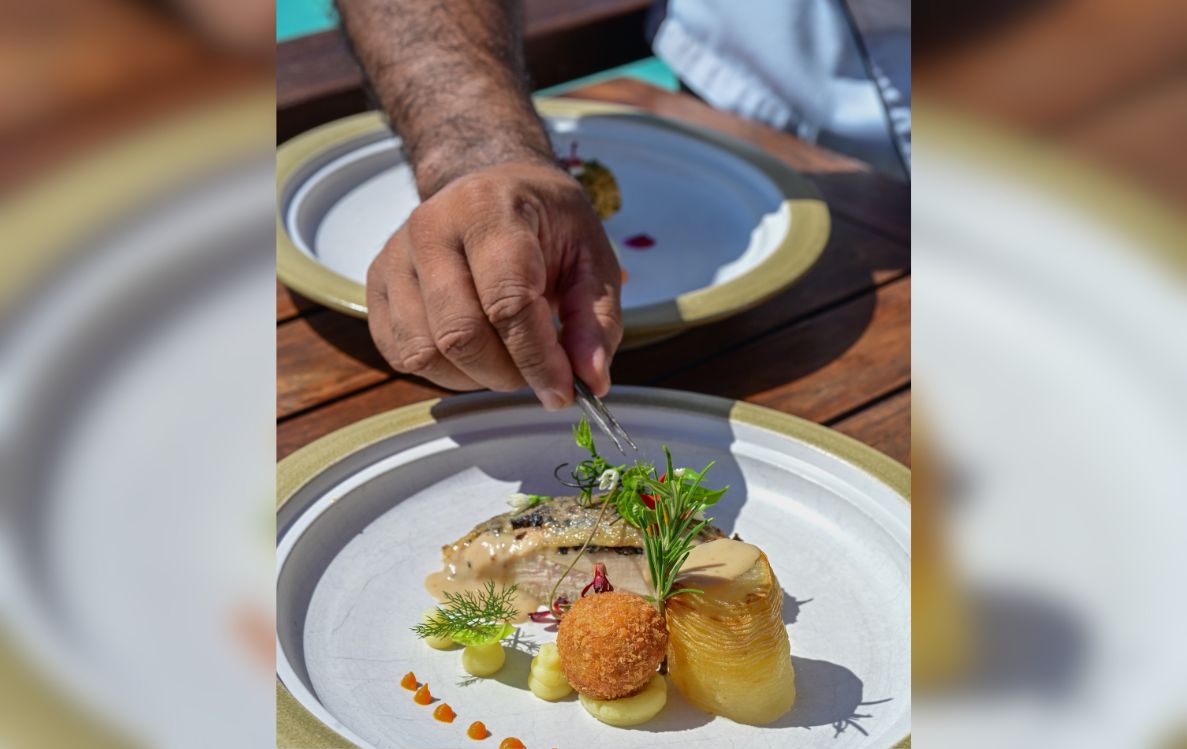
Over the years, I’ve learned how to take those bold, local flavours and present them in a way that’s appealing to an international audience. It’s all about balance—keeping the authenticity of Maldivian ingredients while adjusting the presentation, spice levels, and pairings to suit different palates. For example, I might take a traditional Maldivian mas huni and turn it into a beautifully plated starter, or infuse international dishes like pasta or grilled fish with Maldivian curry sauces or smoked tuna accents.
Guests love discovering something local in a dish they recognize, and it gives them a deeper connection to the island experience. This blend of local tradition and global taste is what makes the culinary experience on Makunudu Island truly unique—and being able to create that fusion is something I take great pride in.
One of the most challenging situations I’ve faced during my time at Makunudu Island has been catering to Indian guests when most of our clientele is from Europe. The challenge lies in the contrast between the meal plans. Indian guests often look for a variety of vegetarian options, specific spice profiles, and authentic dishes that differ significantly from the European-style menus we typically offer.
Drawing upon my extensive background in Indian cuisine, I was able to adapt effectively. I drew on my knowledge of Indian cooking techniques and flavours to create dishes that felt familiar and satisfying to our Indian guests, while still maintaining the standards and presentation our resort is known for.
In the end, turning that challenge into an opportunity to delight guests from a different cultural background was extremely rewarding—and it helped broaden our team’s skills and offerings as well.
The message I want to convey to the new generation of young chefs is that: the hotel and culinary industry is a very respectable and rewarding field—but only if you’re willing to truly commit to it.
First and foremost, take your learning seriously. You must study properly and understand not just how to cook, but why things are done a certain way. Never think that learning stops after training or school—no matter how many years you spend in the kitchen, there is always something new to discover. I’ve been in this industry for nearly 30 years, and I’m still learning every day.
Respect your profession, your team, your ingredients, and your guests. Discipline and humility are just as important as talent. And above all, stay passionate. Cooking is not just about food—it’s about creating memories, delivering experiences, and putting your heart into everything you do. If you carry that mindset with you and stay hungry to learn, this industry will give you great opportunities and satisfaction in return.
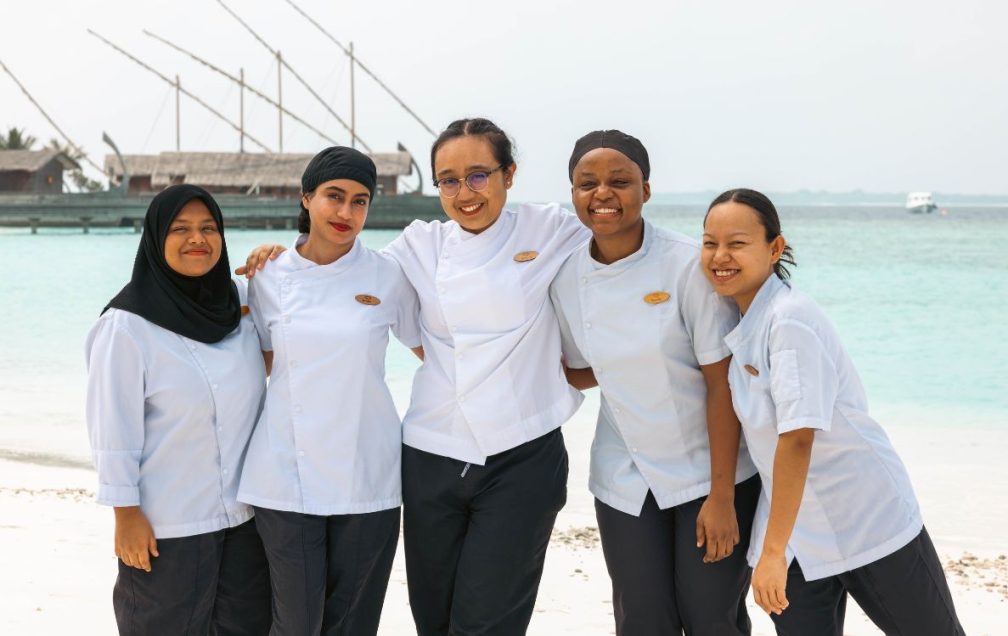
Milaidhoo Maldives honours International Women’s Day with a special dinner by five women chefs from around the world, celebrating culinary creativity.
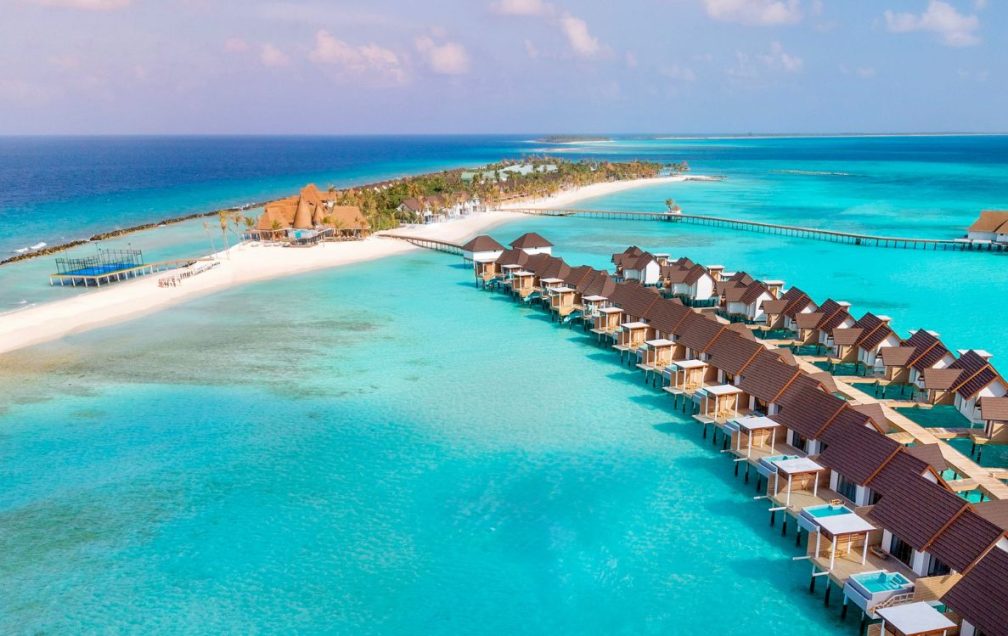
Meyyafushi Maldives officially opens “A Place to Connect Within & Beyond,” offering wellness, nature immersion and meaningful experiences in a serene island setting.
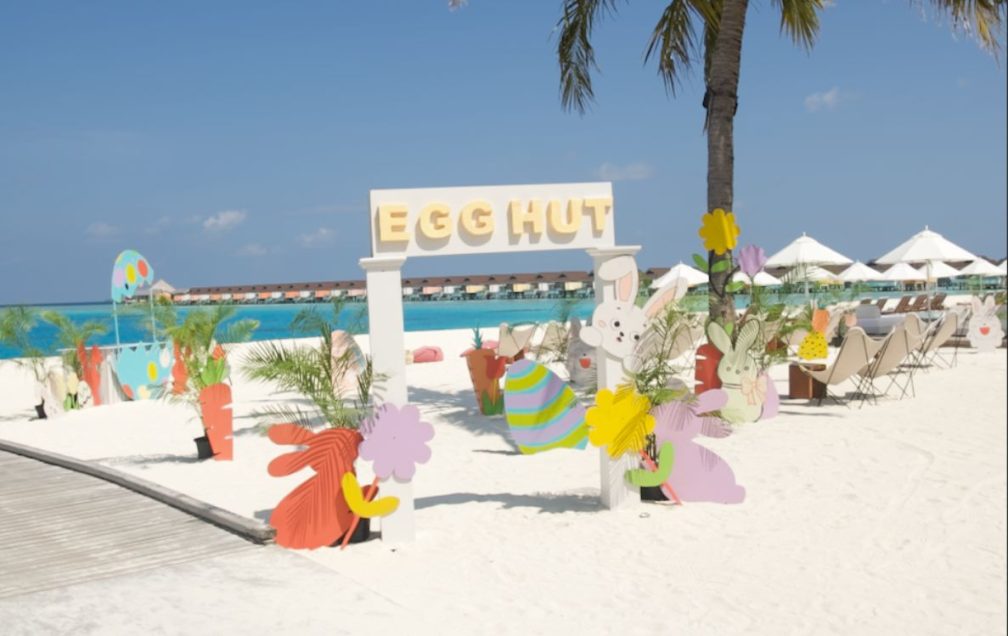
The Standard Maldives celebrates Easter with a whimsical island escape, featuring sun, sand, festive traditions, and fun-filled family experiences.