



Plan your trip
What it really costs, when to go, and every entry rule to settle before you book.
Plan Your Maldives Trip
Maldives For First-Time Visitors
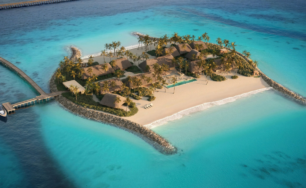
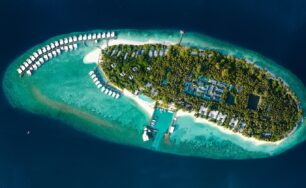
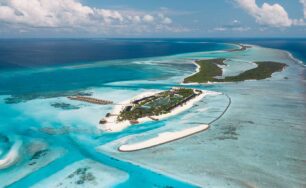
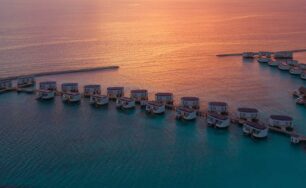
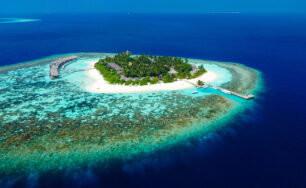
In the Maldives, accommodation, transport and experiences are closely tied to geography. Most resort islands are self-contained: the island is the hotel. Local islands offer a different experience, centred on community life, guesthouses, cafés and locally run excursions.
Before booking, decide:
- The type of island experience you want: resort, local island, liveaboard or a combination.
- How far from the airport you are willing to travel, and by what means: speedboat, seaplane or domestic flight.
- Your villa or room type.
- Your meal plan and the dining options available.
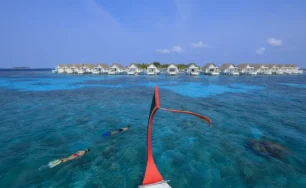
- How important a good house reef or a calm, shallow lagoon is to you.
- Which activities and seasonal marine encounters matter most.
- The total cost, including taxes, transfers and extras.
Choosing the right island usually matters more than choosing the most impressive villa.
Best of Maldives resort profiles let you compare villas, dining, experiences and reader ratings, and include 360° virtual tours.
Best Time To Visit The Maldives
The Maldives is warm all year. Air temperatures typically sit between about 25°C and 32°C, and sea temperatures between about 27°C and 30°C.
The year is shaped by two monsoons:
- Northeast monsoon (Iruvai), roughly December to April: generally drier and sunnier, with calmer seas and often good underwater visibility. This is peak season.
- Southwest monsoon (Hulhangu), roughly May to November: a greater chance of rain, wind and cloud, but also a key period for surfing and for manta aggregations in Baa Atoll. Rates are often lower.
Neither season is uniformly dry or wet. Tropical showers are often short, and sunny days occur all year.
Plankton, and therefore mantas and whale sharks, also shifts with the monsoons. During the northeast monsoon, manta cleaning and feeding sites on the western sides of atolls tend to be more productive. During the southwest monsoon, activity shifts toward the eastern sides.
Choose your travel dates based on what you want to experience, not only on the weather.
Maldives Month By Month
January
Northeast monsoon. Generally dry, sunny and calm, with strong visibility for diving. Manta activity is often better on western atoll sides. Peak season, with high demand in the first week.
February
Often one of the driest months. Diving conditions are generally favourable. The surf season begins to build in parts of the country.
March
Hot and calm with good visibility. A strong month for diving and snorkelling. Surf picks up in the central atolls.
April
Typically the hottest month, with very calm "glassy" periods. Seasonal transition begins late in the month. Easter demand is high.
May
The southwest monsoon starts to arrive, bringing more changeable weather. Manta activity begins to shift to eastern atoll sides, and the Hanifaru Bay season can start. Good-value rates.
June
Wetter and windier on average. Consistent surf. The Baa Atoll manta season builds.
July
Southwest monsoon. Good surf. Manta season in Baa Atoll, including Hanifaru Bay. Independence Day is on 26 July. European summer holidays increase demand.
August
Southwest monsoon. Often a peak period for Hanifaru Bay. Frequently highlighted as a strong month for whale sharks in South Ari.
September
Southwest monsoon. Manta and whale shark activity continues, and surf conditions remain active. Resort rates are often lower than during peak season.
October
Transition month. Manta activity in Baa continues but begins to taper. The surf season starts to wind down. Autumn school holidays add demand.
November
Transition toward the northeast monsoon, with conditions generally improving. Victory Day (3 November) and Republic Day (11 November) are public holidays. Whale shark sightings continue in South Ari.
December
The northeast monsoon becomes established. The festive season is the busiest and most expensive time of year, so book well ahead. Manta activity shifts back toward western atoll sides.
Marine wildlife and weather are never scheduled. Seasonal patterns indicate probability, not a guarantee.
How Many Days Do You Need In The Maldives?
- 3–4 nights: works for islands a short speedboat ride from the airport.
- 5–7 nights: enough time to settle into island life and enjoy excursions without rushing.
- 7–10 nights: suitable for a diving holiday, a remote atoll, or a two-island itinerary.
- 10+ nights: suits a resort, local island and northern or southern atoll combined.
Transfer time matters most on short trips. A late international arrival can mean losing the first day, or spending the first night near the airport (see Arriving Late At Night in Travel).
How Much Does A Maldives Holiday Cost?
Costs depend mainly on accommodation, transfer type, meal plan and activities. The main components are:
- International flights (airport departure charges are included in the ticket).
- Accommodation.
- Taxes and service charge (see below).
- Airport transfers: speedboat, seaplane or domestic flight.
- Meal plan and beverages.
- Diving, watersports and excursions.
- Spa treatments and private dining.
A room rate that looks low may not produce the lowest total holiday cost. Always compare what is included, particularly transfers, meals, drinks and taxes.
Understanding Maldives Taxes And Fees
Most Maldives tourism prices are subject to three additional charges:
Service charge
Usually 10%, added by resorts and most tourism businesses.
Tourism Goods and Services Tax (TGST)
17% on tourism goods and services, in effect since 1 July 2025 (previously 16%).
Green Tax
Charged per person, per night:
- USD 12 at resorts, integrated resorts, resort hotels, tourist vessels, hotels and guesthouses on uninhabited islands, and hotels and guesthouses with more than 50 rooms on inhabited islands.
- USD 6 at hotels and guesthouses with 50 rooms or fewer on inhabited islands.
- Children under two are exempt. Children aged two and over pay the full rate.
What "++" means
A price shown as "USD 300++" excludes service charge and TGST. It often excludes Green Tax as well.
Worked example: a USD 300++ room for two adults at a resort, for one night
| Room rate | USD 300.00 |
|---|---|
| Plus 10% service charge | USD 30.00 |
| Subtotal | USD 330.00 |
| Plus 17% TGST on the subtotal | USD 56.10 |
| Subtotal | USD 386.10 |
| Plus Green Tax, 2 adults × USD 12 | USD 24.00 |
| Total per night | USD 410.10 |
Figures are illustrative. Each property's exact calculation, and whether taxes apply to transfers and extras, should be confirmed on the quotation.
Airport departure charges
The departure tax and airport development fee were increased for tickets issued from 1 December 2024, with the steepest rises for business class, first class and private jets. These charges are collected in the airline ticket price, not at the airport.
When comparing quotes, ask whether the total includes service charge, TGST, Green Tax for every guest, and transfers.
TTM news – Maldives increases tourism taxes, TGST to 17%
Indicative Budget Styles
Local island guesthouse
The most affordable way to visit. It carries the lower Green Tax rate, and meals at local cafés cost far less than resort dining. Excursions are usually priced per trip. Budget for public ferry or speedboat transfers and some cash.
Mid-range resort
Speedboat-accessible resorts near Malé or domestic-flight resorts in outer atolls. Half-board or full-board may reduce additional meal costs, depending on the property and travel style.
Luxury and ultra-luxury resort
Seaplane or private transfers, pool or overwater villas, and multiple restaurants. Private experiences and all-inclusive "premium" plans can add significantly to the total.
Best Time To Book
Christmas, New Year, Easter, Chinese New Year and European school holidays can fill well in advance. Book early if you have specific villa preferences, family requirements or a particular resort in mind.
Flexible travellers often find seasonal packages and special offers, particularly from May to October.
What To Pack
- Lightweight, breathable clothing.
- Swimwear and a rash guard for long periods in the water.
- Sandals or flip-flops, plus reef or water shoes.
- Sun hat that can get wet (ideally with a chin strap for boat trips) and sunglasses.
- Sun shirt.
- High-SPF, reef-considerate sunscreen.
- Reusable water bottle.
- Underwater camera or waterproof phone case.
- Small dry bag for phones, cameras and cash on boat trips and sandbank excursions.
- Personal medication with prescriptions or documentation.
- Insect repellent.
- Light cover-ups (shoulders and knees covered) for local island visits.
- Plug adaptor for UK-style (Type G) sockets if your devices need one.
- Dive certification card and logbook, plus your own snorkel or dive equipment if preferred.
- Soft-sided luggage if your transfer is by seaplane, where baggage allowances are strict.
Do not pack: alcohol, vapes or e-cigarettes, pork products, or any other prohibited items (see Customs And Prohibited Items below).
Resorts generally have relaxed dress codes, but some restaurants have evening requirements.
Maldives Travel Checklist
Before departure:
- Check that your passport meets the validity rules, both for the Maldives and for your airline and any transit countries.
- Submit a Traveller Declaration for every traveller, including children, within 96 hours before arrival.
- Carry a yellow fever vaccination certificate if arriving from or via a country with yellow fever risk.
- Hold confirmed return or onward travel.
- Hold confirmed, prepaid accommodation at a registered property.
- Confirm transfer arrangements and whether your arrival time fits the transfer operating hours.
- Check the transfer baggage allowance.
- Check what your quote includes (taxes, Green Tax, transfers, meals).
- Arrange travel insurance, including dive cover if relevant.
- Tell the property about dietary, medical or accessibility requirements.
- Leave vapes and alcohol at home.
- Save the contact details of your accommodation, transfer operator and insurer.
Before You Travel
Visa And Entry Requirements
All nationalities can receive a free 30-day tourist visa on arrival, without pre-approval, subject to meeting the entry requirements set by Maldives Immigration.
To be granted entry, visitors should have:
- A passport or travel document with a machine-readable zone (MRZ) and at least one month's validity.
- A complete itinerary with confirmed return or onward tickets.
- A prepaid, confirmed booking at a registered tourist facility, and sufficient funds for the stay, or an approved sponsorship.
- Documents meeting the entry requirements of their next destination.
- A yellow fever vaccination certificate if arriving from, or having recently travelled through, a country with risk of yellow fever transmission. Children under one year are exempt.
Every traveller, including children and infants, must hold their own passport.
Maldives Immigration states that, effective 15 April 2025, entry is not granted on Israeli passports.
Visa extensions
Tourist visas can be extended, up to a total stay of 90 days, by applying to Maldives Immigration before the current visa expires. Applicants need to show sufficient funds and accommodation.
Entry is always at the discretion of the immigration officer. Check Maldives Immigration before travelling.
Traveller Declaration (IMUGA)
All foreign travellers arriving in the Maldives must submit a Traveller Declaration within 96 hours before arrival. Each traveller, including every child, needs an individual declaration.
The declaration is submitted through the official IMUGA portal and is free of charge.
Beware of unofficial websites that charge fees for the declaration or for "visa services". Use only the government portal: https://imuga.immigration.gov.mv/traveller
Passports
Maldives Immigration requires at least one month's passport validity. Many airlines, and some transit countries, apply stricter rules, commonly six months. Travelling with six months' validity avoids problems at check-in.
Customs And Prohibited Items
The Maldives restricts or prohibits a number of items. Prohibited items include:
- Alcohol, in any quantity. It will be confiscated on arrival.
- Pork and pork products.
- Pornographic material.
- Idols or objects for worship.
- Narcotics and illegal drugs. Penalties are severe.
- Vapes, e-cigarettes and related accessories (see below).
Alcohol is available to tourists at licensed resort islands and tourist vessels, but not on inhabited local islands.
Tobacco And Vaping Rules
Vapes and e-cigarettes
Since 2024, the import, sale, use, possession and distribution of e-cigarettes and vaping devices has been banned for everyone, including visitors. Devices found on arrival are confiscated, and a customs receipt is issued. Present the receipt when leaving the country to have the items returned. Using a vape can result in a fine.
Generational tobacco ban
Since 1 November 2025, anyone born on or after 1 January 2007 is prohibited from buying or using tobacco products in the Maldives, and retailers may not sell to them. The rule applies to tourists. Retailers, including resorts and duty-free outlets, must verify age before sale.
Tobacco allowances
Tourist-visa holders may bring in limited quantities of tobacco: up to 200 cigarettes, or 25 cigars, or 250 grams of tobacco. Excess quantities are held by customs and can be collected on departure.
Smoking is not permitted in enclosed public places. Resorts designate their own smoking areas.
Currency And Payments
The local currency is the Maldivian Rufiyaa (MVR), which is pegged to the US dollar within a band (around MVR 15.42 to USD 1). US dollars are widely used across the tourism industry, and most resorts bill in USD.
Most resorts and established tourism businesses accept major cards. On local islands, carry some cash for small shops, cafés, ferries and local services. ATMs are available in Malé, Hulhumalé and larger islands but may be limited or absent on smaller islands.
Bring clean, undamaged US dollar notes, as worn or torn notes may be refused. Change may be given in rufiyaa, and small local businesses may apply rounded exchange rates.
Check card fees and foreign exchange charges with your bank before travelling.
Internet, SIMs & Messaging Apps
Wi-Fi is widely available at resorts, hotels and guesthouses. Speed varies by property and location.
Local SIM cards and eSIMs are available from the main operators, including tourist SIMs sold at the airport. 4G is widespread and 5G is available in many areas. Compare coverage, data allowances and validity for the islands you plan to visit.
The country calling code is +960.
Universal Messaging Apps
- WhatsApp: Used widely by resort staff, front desks, dive centres and transfer coordinators to send schedules, book restaurants and handle requests.
- Viber & Telegram: Commonly used across the islands and by local operators as alternative messaging platforms.
Tipping
Most resorts add a 10% service charge. Some guests also choose to tip individual team members, either directly or through a resort's staff fund.
There is no compulsory tipping rule. Tipping on local islands is appreciated but not expected.
Electricity
The Maldives uses 230V, 50Hz. UK-style three-pin (Type G) sockets are the most common. Some properties also provide other socket types or universal outlets. Check in advance if you need specialist charging equipment, for example for camera or dive gear.
Time Zone
The Maldives uses Maldives Time (UTC+5) and does not observe daylight saving time.
Some private island resorts run their own "island time", usually one hour ahead, to give guests longer evening daylight. Check the local resort time for activities and transfers, and double-check before your departure transfer.
Public Holidays, Ramadan And Eid
Fixed public holidays include Independence Day (26 July), Victory Day (3 November) and Republic Day (11 November). Islamic holidays, including Ramadan, Eid al-Fitr, Eid al-Adha, Islamic New Year and National Day, follow the lunar calendar and move earlier each year.
Ramadan 2027 is expected to begin in early-to-mid February 2027. Exact dates depend on the moon sighting.
Resorts operate normally throughout the year. On inhabited islands, business hours, ferry schedules and restaurant opening times may change during Ramadan and on public holidays.
Travel Insurance
Comprehensive travel insurance is strongly recommended. Useful coverage includes:
- Medical treatment and medical evacuation, including by seaplane or air ambulance.
- Trip cancellation and curtailment.
- Delayed or missed connections, including missed seaplane transfers.
- Baggage loss or delay.
- Scuba diving to your certified depth, including recompression treatment.
- Watersports and adventure activities.
- Weather-related disruption.
Health And Medical Services
Many resorts have an on-site clinic, doctor or nurse. Every atoll has at least one hospital, and smaller inhabited islands have health centres.
The most comprehensive facilities are in Malé. They include Indira Gandhi Memorial Hospital (IGMH), the main public hospital, and the private ADK Hospital and Tree Top Hospital. Serious cases may require evacuation to Malé or overseas.
If you have an existing health condition, bring enough medication with prescriptions or documentation, and contact your accommodation in advance if you need specialist support.
Mosquito-borne illnesses such as dengue can occur, particularly on inhabited islands and after rain, so use repellent.
Safety And Emergencies
The Maldives is generally considered a safe destination, and most visits are trouble-free. Take normal precautions with valuables, particularly in Malé.
Emergency numbers
- 119 – Police / emergency
- 102 – Ambulance
- 118 – Fire and rescue
- 191 – MNDF Coast Guard (emergencies at sea)
At resorts, contact the resort team first. They coordinate medical and emergency support.
Keep the contact details of your accommodation, transfer operator, airline, insurer and embassy accessible throughout the trip.
Ocean Safety
Most serious incidents in the Maldives happen in the water.
- Currents: channels (kandu) and reef edges can have strong currents. Snorkel at designated entry points, check conditions with the resort or dive centre, and never snorkel alone.
- Children: supervise children closely in lagoons and near jetties, including in shallow water.
- Reef shoes: wear them in the shallows to protect against sharp coral and stonefish. Shuffle your feet in sandy lagoons to avoid stepping on stingrays.
- Sun: the equatorial sun is intense even on cloudy days. Use high-SPF sunscreen and a rash guard, and stay hydrated.
- Sea conditions: during the southwest monsoon, boat transfers and excursions can be rough and may be rescheduled for safety.
- Alcohol: do not swim or snorkel after drinking.
- Operators: choose licensed, experienced operators and follow their briefings.
For diving-specific safety, including flying after diving, see Dive Safety And Flying After Diving in Discover.
Entry rules, taxes and transport operations can change. Sections marked with an update stamp contain time-sensitive information. Always confirm current requirements with official sources before departure.Guide last reviewed: September 2026