
Things to discover
Diving, surfing, marine seasons, food, itineraries and travelling the islands responsibly.
Things To Do In The Maldives
Snorkelling
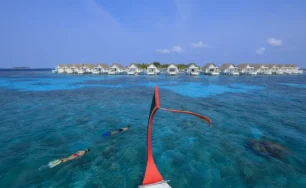
Snorkelling is one of the most accessible ways to observe marine life in the Maldives. Some islands have reefs that can be reached directly from the beach, while others require a short boat trip to reach reef sites.
Never stand on or touch coral. Follow local guidance on currents and entry points, and snorkel with a buddy.
Guided snorkel trips run by resort marine biologists often find turtles, rays and reef sharks that independent snorkellers miss.
Scuba Diving
Diving takes place year-round in the Maldives, including on reefs, channels, thilas (underwater pinnacles) and wrecks. Channel dives can involve strong currents and encounters with sharks, eagle rays and schooling fish, and are generally more suitable for experienced divers.
Conditions vary by atoll and season. Dive centres operate at resorts, on guesthouse islands, at city hotels and on liveaboards.
Diving for all levels
- Beginners: calm, shallow sites and "discover scuba" sessions with instructors are widely available. Colourful reefs are often only a few metres down.
- Newly certified divers: once you hold an Open Water certificate, you can go deeper and explore thilas and outer reefs.
- Experienced divers: channel drifts, wreck dives, night dives and pelagic encounters.
Ask your dive centre which sites suit your experience. To cover the most sites in one trip, consider a liveaboard.
Established dive sites
Ari, Baa, Vaavu, Kaafu, Fuvahmulah and Addu are commonly visited diving regions. Established sites include:
- Banana Reef, Nassimo Thila and the Hembadhoo Wreck – North Malé
- Kandooma Thila and Guraidhoo Manta Point – South Malé
- Maaya Thila – North Ari
- Alimatha Jetty – Vaavu
- Kuda Giri Wreck – South Malé
- Victory Wreck – near Hulhulé / Malé
Selected sites by atoll, north to south
- Haa Alif: Aquarium, Filadhoo Wreck
- Haa Dhaalu: Finey Thila, Heaven and Hell
- Noonu: Orimas Thila, X-Mas Rock
- Lhaviyani: Fushifaru Thila, Shipyard
- Baa: Hirundhoo (Hanifaru Bay nearby is snorkelling only)
- Alif Dhaal: Al Karim, Sun Island Beyru
- Meemu: Kurali Manta Point, Muli Corner
- Thaa: Whale Shark Point, Dhiffushi
- Laamu: Fushi Kandu, Isdhoo East
- Addu: British Loyalty Wreck, Maa Beyru
Many additional dive sites exist across the country.
Dive Safety And Flying After Diving
- Seaplanes and domestic flights count as flying. Plan your last dive around your departure transfer, not just your international flight.
- Widely used guidance recommends a minimum surface interval of 12 hours after a single no-decompression dive, and 18 hours after multiple dives or multiple dive days. Many operators recommend 24 hours. Follow your dive centre's policy.
- Dive within your certification and experience, particularly in channels with strong currents.
- Carry a surface marker buoy (SMB) on drift dives. Dive centres often provide one.
- Recompression facilities exist but are limited. Treatment may require a transfer, so dive insurance is strongly recommended.
- Bring your certification card and logbook. Many centres ask for a recent dive or a refresher if you have not dived for some time.
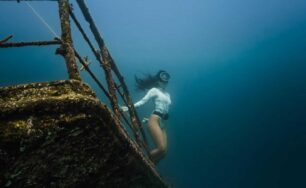
Freediving
Warm water and generally good visibility support freediving activity in the Maldives. Train with qualified instructors and never freedive alone.
Surfing
The Maldives sits in the middle of the Indian Ocean, fully exposed to southern swells, and has an established place on the international surf circuit. Water temperatures average around 28°C.
Season
The surf season broadly runs from around February/March to October/November. Many surfers favour the shoulder periods: roughly March–May, and September to October/November. These often bring cleaner conditions, while mid-year brings bigger but often windier swells. Timing varies by region, and the southern atolls tend to have a longer season.
North Malé Atoll
North Malé was the first Maldivian surf region to become widely used by visiting surfers and remains one of the most accessible due to its proximity to the airport and concentration of resorts. Breaks along the eastern rim include:
- Cokes (Thulusdhoo)
- Chickens
- Lohis
- Jailbreaks
- Honky's
- Sultans
- Ninjas
- Malé Island Point (Raalhugandu)
Southern atolls
Huvadhoo (Gaafu Alif and Gaafu Dhaalu) has surf breaks along its southern rim and generally receives fewer visiting surfers than North Malé. Established breaks include:
- Beacons
- Tiger Stripes
- Castaways
- Blue Bowls
- Airports
- Five Islands
- Two Ways
- Love Charms
- Antiques
Laamu (including Yin Yang) and Thaa also have good surf.
Watching the surf in Malé
The Varunulaa Raalhugandu area on Malé's waterfront has a viewing area where you can watch local and visiting surfers.
Access to some breaks is linked to specific resorts or permitted operators, so check before booking.
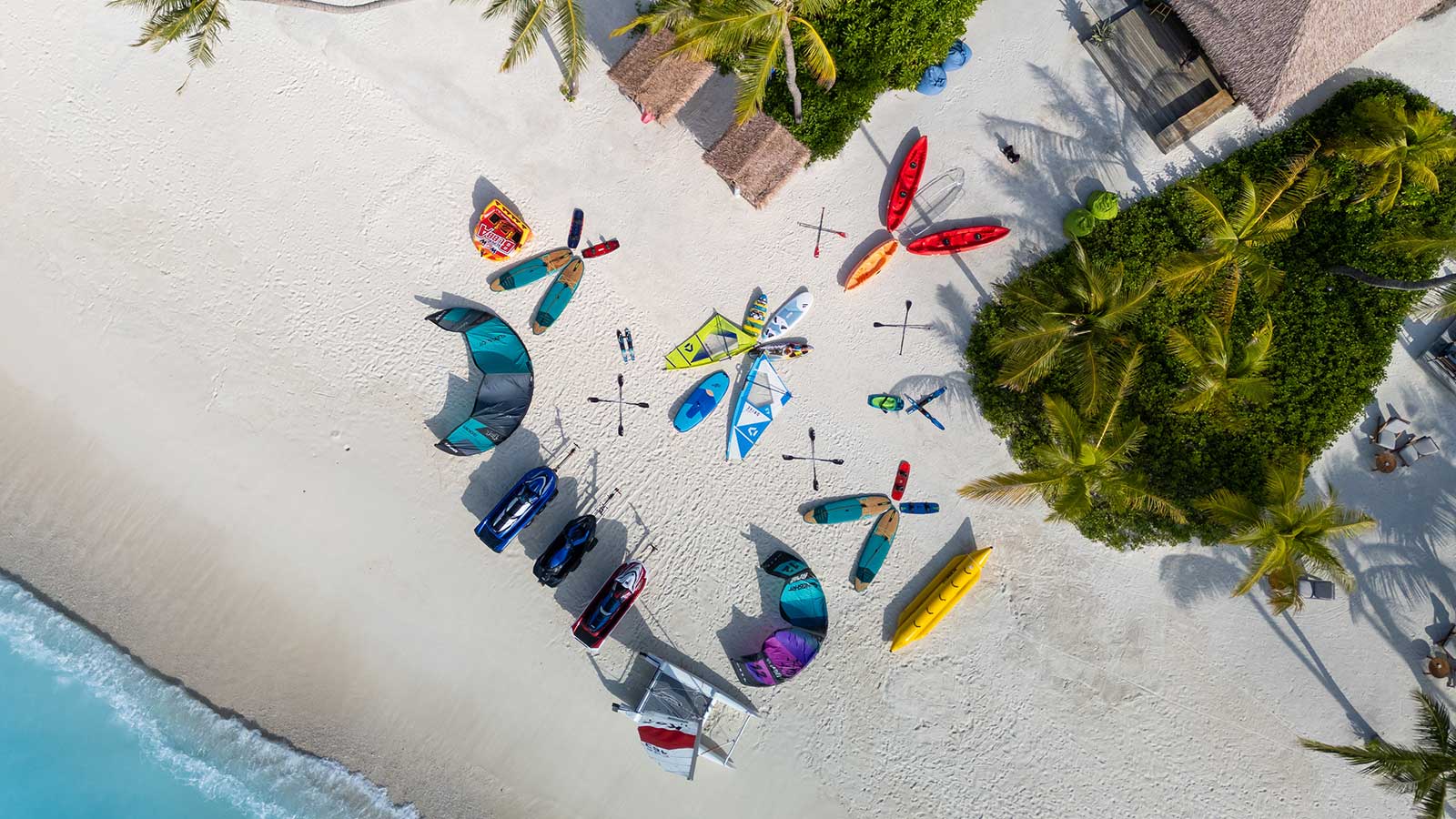
Watersports
Common activities include:
- Kayaking and stand-up paddleboarding.
- Windsurfing and kitesurfing.
- Sailing and catamaran trips.
- Jet skiing, parasailing, wakeboarding and water skiing.
- Glass-bottom (clear) canoes and boats.
- Banana boats and towed fun tubes.
- Flyboarding.
- Semi-submarine and submarine excursions (selected locations).
Many watersports centres offer lessons, including windsurfing and sailing courses for beginners.
Availability varies by property and island.
Fishing
Fishing has deep cultural and economic importance in the Maldives, which is known worldwide for its sustainable, one-by-one pole-and-line tuna fishing. Tourist trips include sunset and night line fishing, reef fishing and big-game fishing. Some operators arrange trips on local fishing vessels to see traditional methods first-hand.
Choose responsible operators and follow local regulations, including catch-and-release practices where encouraged.
Sandbank Experiences
Sandbanks are patches of sand in the open ocean, some temporary and some permanent. Excursions may include swimming, snorkelling, picnics, photography or private dining.
Access depends on tides and weather, and sandbanks have no shade, so bring sun protection.
Dolphin Cruises
Spinner and bottlenose dolphins are among the species seen in Maldivian waters. Sunset cruises and dedicated dolphin excursions run from many resorts and local islands, often on a traditional dhoni.
Wildlife sightings can never be guaranteed.
Night Experiences
Depending on location and conditions, options include night snorkelling and diving, stargazing, and the chance to see bioluminescent plankton on the shoreline.
Bioluminescence is natural and unpredictable, and cannot be scheduled.
Local Island Visits
A local island visit shows you community life up close: cafés, shops, mosques, harbours, boatbuilding yards and island gardens. Many resorts offer guided visits.
Dress respectfully, with shoulders and knees covered, and follow local customs.
Culture And History
Highlights include:
- Malé: the 17th-century Old Friday Mosque (Hukuru Miskiy), with its carved coral-stone walls; the Grand Friday Mosque; the National Museum; Sultan Park; and the local fish and produce markets (see Greater Malé in Explore).
- Utheemu (Haa Alif): the palace of Sultan Mohamed Thakurufaanu.
- Fenfushi (Alif Dhaal): an old coral-stone mosque with lacquered woodwork.
- Nilandhoo (Faafu): Aasaari Miskiy, one of the oldest mosques in the country, and the Foah'mathi mound.
- Dhaalu: jewellery and silversmithing traditions on Hulhudheli and Rinbudhoo.
- Fuvahmulah: the Fua Mulaku Havitta stupa ruins.
- Laamu and other southern atolls: Buddhist-era archaeological sites.
- Gan (Addu): Second World War and RAF heritage.
- Bodu beru: traditional Maldivian drumming and dance, often performed at resorts.
Spa And Wellness
Maldives wellness ranges from traditional spa treatments to yoga, meditation, sound healing, fitness, sleep programmes, nutrition and longer structured retreats.
Private And Destination Dining
Dining experiences may take place:
- On the beach or a sandbank.
- On a private jetty or in a garden.
- On a yacht or traditional dhoni.
- In underwater or overwater venues.
- In your villa.
Maldives Marine Life Guide
The Maldives sits within one of the world's most productive tropical marine environments. Reefs, channels, currents and monsoon-driven plankton support an extraordinary range of marine life.
For a month-by-month overview, see Maldives Month By Month in Plan.
Manta Rays
Reef manta rays are found in the Maldives throughout the year. Manta activity shifts with the monsoons: western atoll sides tend to be more productive from roughly December to April, and eastern sides from roughly May to November.
Regions with established manta sites include Baa, Ari, Raa, Lhaviyani, the Malé atolls and Addu.
Hanifaru Bay (Baa Atoll)
Hanifaru Bay is a small protected bay in Baa Atoll where, under the right tidal and plankton conditions, large numbers of manta rays gather to feed, sometimes joined by whale sharks.
- Season: roughly May to November, with a higher likelihood of sightings from about June/July to October. Activity is often stronger around full and new moons.
- Snorkelling only: scuba diving is not permitted inside the bay.
- Visits are guided, time-limited (around 45 minutes in the water) and capped at a set number of visitors per day. An entry fee applies.
- Flash photography, underwater scooters and touching the animals are prohibited.
- Visits are arranged through Baa Atoll resorts, liveaboards, and operators based on Dharavandhoo.
Aggregations do not happen every day. A longer stay improves your chances.
Whale Sharks
Whale sharks are sighted year-round in South Ari Atoll, particularly within the South Ari Marine Protected Area. Many operators report increased activity roughly from August to November.
Whale sharks may also appear seasonally elsewhere, including Baa Atoll.
Follow encounter guidelines: keep your distance, never touch or ride the animal, and do not block its path (see Whale Shark And Manta Etiquette below).
Sharks
The Maldives is home to many shark species. The most commonly seen are blacktip and whitetip reef sharks and grey reef sharks, and juvenile blacktips often patrol shallow lagoons.
Fuvahmulah is internationally known for year-round tiger shark encounters, as well as seasonal thresher and hammerhead sharks. These dives are for experienced divers and should be done only with established local operators.
Most shark encounters happen on guided dives or snorkels, and reef sharks pose very little risk to swimmers.
Dolphins
Spinner and bottlenose dolphins are frequently seen, and pods of spinner dolphins can be large. Early morning and late afternoon are common times for dolphin-watching trips, although sightings depend on natural behaviour.
Turtles
Green and hawksbill turtles are commonly seen on reefs across the Maldives. Several resorts run turtle rescue, rehabilitation and identification programmes that guests can learn about or support.
Keep a respectful distance and never chase or touch turtles, especially when they are resting or surfacing to breathe.
Coral Reefs
Coral reefs are the foundation of the Maldivian islands and support most of the country's marine biodiversity. Many resorts run coral restoration programmes, some of which guests can join.
You can help protect reefs by:
- Never touching or standing on coral.
- Controlling your fins and equipment.
- Not collecting shells, coral or marine life.
- Using designated entry points.
- Following local conservation guidance.
Food And Dining
Maldivian Cuisine
Traditional Maldivian food is built on fresh, smoked and dried tuna, grated coconut and coconut milk, chilli and rice. Centuries of Indian Ocean trade brought influences from India, Sri Lanka, Arabia, East Africa and East Asia. Flavours range from light breakfasts to spicy curries, grilled fish and "short eats".
Maldivian Breakfast
Mas huni is a common Maldivian breakfast made with tuna, grated coconut, onion and chilli, and is typically served with roshi flatbread and tea.
Hedhikaa (Short Eats)
Hedhikaa are Maldivian snacks such as gulha (fried dough balls filled with tuna), bajiyaa (a samosa-like pastry), and fried or baked savoury bites. They are traditionally served with tea in the afternoon.
Dishes To Try
- Garudhiya – a clear, fragrant tuna broth, served with rice, lime and chilli.
- Mas riha – Maldivian tuna curry.
- Rihaakuru – a thick, savoury tuna paste.
- Kulhi boakibaa – a spicy fish cake.
- Bis keemiya – a savoury pastry filled with egg, cabbage and tuna.
- Fresh reef fish and grilled catch of the day.
Where To Try Local Food
On inhabited islands, visit independently run cafés and "hotaa" (local tea shops). Many resorts also offer Maldivian dining nights, cooking classes or chef-led local menus.
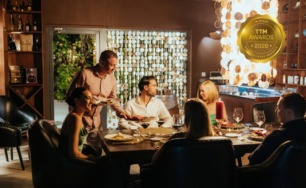
TTM Culinary & Dining news
Resort Dining
Resort dining ranges from international buffets to specialist restaurants, chef-led tasting menus, visiting chef residencies and private experiences.
Before booking, check:
- The number of dining venues.
- What your meal plan includes.
- Reservation requirements.
- Dress codes.
- Dietary support.
- Children's menus.
- Supplement charges, and which restaurants are excluded from the meal plan.
Dietary Requirements
Many resorts cater for vegetarian, vegan, gluten-free, allergy-sensitive and other dietary needs when informed in advance. Halal food is standard throughout the country.
If you have a severe allergy, contact the property directly before travel and remind the team on arrival. Medical facilities on remote islands are limited.
Maldives For Different Travellers
Couples And Honeymoons
The Maldives suits couples looking for privacy, beaches, spa experiences, private dining and romantic villas. Key factors to compare are privacy, adults-only areas or adults-only resorts, sunset views, dining variety and honeymoon benefits. The Maldives has a number of adults-only resorts, and some family resorts have adults-only pools, restaurants or villa zones.
Best of Maldives – adults-only resorts
Weddings And Vow Renewals
Many resorts host beach ceremonies and vow renewals. For foreign couples, resort wedding ceremonies are generally symbolic rather than legally binding, so many couples complete the legal marriage at home before or after the trip.
Families
Family-friendly resorts may offer kids clubs, babysitting, family villas, shallow lagoons, children's menus and organised activities. Some resorts are adults-only, and others set age limits for certain villas or restaurants, so check a resort's child policy before shortlisting it.
Some resorts offer resident marine biologists, junior dive programmes and nature activities aimed at older children and teenagers.
Before booking, check:
- Villa safety, pool fencing and pool access.
- Minimum age rules for overwater villas.
- How meal plans and Green Tax are charged for children. Green Tax applies from age two.
- The length and type of transfer, particularly with young children.
Family resort guide / Best of Maldives family category
Solo Travellers
Solo travellers can choose from wellness resorts, diving holidays, local islands, liveaboards and activity-focused properties. Local islands, dive centres and liveaboards tend to be especially social. Some resorts offer reduced single supplements at certain times of year.
Divers
Choose accommodation based on:
- Access to dive sites and the seasonal marine life you want to see.
- Dive centre standards and equipment.
- Boat operations.
- House reef quality.
Also plan your final dive around your departure transfer (see Dive Safety And Flying After Diving above).
Surfers
Consider:
- The season and your region.
- The transfer method.
- Access rights to specific breaks.
- Whether your accommodation or a surf charter provides dedicated surf boat transfers.
- Board carriage rules on seaplanes and domestic flights.
Several resorts in North Malé, Laamu, Dhaalu and Huvadhoo are known for access to breaks, surf guides and family-friendly surf lessons.
Wellness Travellers
Wellness stays may focus on spa, yoga, fitness, sleep, nutrition, mindfulness or structured programmes. Look beyond the spa menu and compare the depth of the overall wellness programme, including resident practitioners, consultations and follow-up.
Food Lovers
Resorts with multiple restaurants, visiting chef residencies, destination dining and strong local cuisine programmes can make the Maldives a genuinely food-focused holiday.
Photographers And Content Creators
Sunrise, sunset, aerial landscapes, marine life and tropical light make the Maldives highly photogenic.
Drones: operating a drone requires compliance with Maldives Civil Aviation Authority rules and permissions. Many resorts also have their own drone policies, and drones are restricted near airports and seaplane operations. Check both before flying.
Respect other guests' privacy, and ask before photographing people on local islands.
Accessible Travel
Accessibility varies widely. Island terrain is often soft sand, jetties can be long, and boarding boats and seaplanes may involve steps and movement over water.
Before booking, ask the property about:
- Step-free villas and paths (boardwalk or paved).
- Accessible bathrooms.
- Buggy transport around the island.
- Assistance when boarding speedboats and seaplanes.
- Pool hoists or beach wheelchairs.
- Medical support on the island.
Speedboat-accessible resorts near Malé, and larger islands with paved paths, are often easier to manage. Share your specific needs in writing before travel.
Business Travel, Meetings And Events (MICE)
The Maldives is used for incentive trips, retreats, conferences and corporate events. These programmes often combine meetings or group activities with resort-based leisure time.
Venues and formats
- Resort and city-hotel meeting rooms and conference centres.
- Plenary sessions with lagoon views, and breakout sessions under the palms.
- Beach and sandbank team-building.
- Gala dinners under the stars.
- Welcome receptions or private meetings aboard liveaboards and yachts.
Services
- Meet-and-greet at the airport, and assistance with immigration and customs.
- Group transfers by sea or air.
- Dedicated event coordinators, butlers and hosts.
Adding experiences
Programmes can include snorkelling with mantas, local island visits, cultural tours of Malé, cooking classes, and sunrise yoga or fitness sessions.
Hotels in Malé and Hulhumalé suit business travellers who need quick access to the airport, government offices and business services. Remote workers will find reliable Wi-Fi at most properties.
Planning tips
- Check the capacity of meeting spaces and the quality of AV and Wi-Fi.
- Plan group transfer logistics carefully, especially for seaplanes.
- Remember that alcohol is served only at licensed resorts and vessels, not at city hotels on inhabited islands.
- Book early for peak season.
TTM Connect / TTM Maldives trade show
Groups And Multi-Generational Families
Large villas, residences and interconnecting accommodation suit groups. Also compare private dining, boat and yacht charters, childcare, activities and shared living spaces. A private island buyout may be an option for larger celebrations.
Suggested Maldives Itineraries
Itineraries are shown by night. Always confirm transfer connections before making non-refundable bookings.
3–4 Night Maldives Escape
Suited to: short breaks and stopovers
Base: a speedboat-accessible resort in North or South Malé Atoll
Day 1: Arrive, take a short speedboat transfer, and spend a relaxed afternoon on the beach.
Day 2: Snorkel the house reef in the morning; spa, then a sunset dolphin cruise.
Day 3: A watersports or sandbank trip; destination dinner.
Day 4 (if staying 4 nights): Free day, or a half-day Malé city tour.
Final day: Breakfast, a final swim, then the speedboat to the airport.
5-Night First-Timer's Maldives
Suited to: first visits
Base: one resort with a good house reef
Day 1: Arrival and island orientation.
Day 2: Guided snorkel with the resort marine biologist; beach afternoon.
Day 3: Boat excursion to a manta or turtle site, or an introductory dive.
Day 4: Spa morning; local island visit; sunset fishing.
Day 5: Watersports; private dinner on the beach.
Day 6: Departure.
7-Night Manta Season In Baa Atoll
Suited to: snorkellers and travellers interested in marine life
When: roughly June to October
Base: a Baa Atoll resort, or a Dharavandhoo guesthouse for budget travellers
Day 1: Seaplane or domestic flight to Baa.
Days 2–6: Stay flexible for Hanifaru Bay visits, which depend on conditions. Fill the other days with manta cleaning station dives or snorkels, reef trips and resort marine programmes.
Day 7: A relaxed final day.
Day 8: Departure.
Tip: plan at least one daylight margin before your departure flight.
7-Night South Ari Whale Sharks And Diving
Suited to: divers and snorkellers
When: year-round (often strongest from August to November)
Base: a South Ari resort, or Dhigurah or Maamigili
Day 1: Domestic flight to Maamigili, or seaplane.
Day 2: Check-in dive or snorkel.
Days 3–6: Whale shark excursions in the South Ari Marine Protected Area, manta sites and thila dives.
Day 7: No-dive day before flying; beach and spa.
Day 8: Departure.
7-Night North Malé Surf Trip
Suited to: surfers
When: roughly March to October/November, with March–May and September–October often favoured
Base: Thulusdhoo or Himmafushi guesthouses, a surf resort, or a surf charter
Day 1: Speedboat from the airport.
Days 2–7: Surf sessions timed to tide and wind, rotating breaks by boat. Mix in snorkelling and island downtime.
Day 8: Departure.
Tip: spend an afternoon watching the surf at Raalhugandu in Malé before your flight.
7-Night Local Island + Resort
Suited to: travellers comparing cost with a mix of local-island and resort experiences
Nights 1–3: A local island guesthouse (for example Maafushi, Ukulhas or Dhigurah), with cafés, excursions and sandbank trips.
Day 4: Transfer to the resort.
Nights 4–7: A resort stay focused on relaxation, dining and wellness.
Day 8: Departure.
Tip: choose a local island and resort within reach of each other, or both close to Malé.
10-Night Deep South: Addu And Fuvahmulah
Suited to: experienced divers and travellers interested in less-visited destinations
Base: Fuvahmulah (4 nights), then Addu (6 nights)
Day 1: Domestic flight to Fuvahmulah.
Days 2–4: Tiger shark and pelagic dives; explore the lakes, wetlands and Thoondu beach.
Day 5: No-dive day, then travel to Addu.
Days 6–10: Addu reefs, the British Loyalty wreck, manta sites, the Link Road by bicycle, and Gan's wartime history.
Day 11: Domestic or international flight from Gan.
Note: check connections between Fuvahmulah and Addu before booking.
Greater Malé Stopover (1 Day / 1 Night)
Suited to: late arrivals, long layovers and travellers interested in local culture
Morning: Walk Malé: Hukuru Miskiy, the National Museum, Sultan Park and the fish market.
Lunch: A local café, with hedhikaa (short eats) and tea.
Afternoon: Take the ferry to Villimalé for the beach, or watch surfers at Raalhugandu.
Evening: Hulhumalé beach, Central Park and dinner, then an overnight stay near the airport.
Combining The Maldives With Another Destination
Many travellers add the Maldives to a longer trip, often as a relaxing final stop after a busier itinerary. The main airline hubs serving Malé make natural pairings:
- Sri Lanka: the shortest international hop, with a flight from Colombo of around 1.5 hours. It pairs culture, tea country and wildlife with beach time.
- India: frequent direct flights from several cities. Pair heritage, food or wellness with the islands.
- United Arab Emirates and Qatar: a city break in Dubai, Abu Dhabi or Doha on the way in or out, using major hub airlines.
- Oman: desert, mountains and coast, via Gulf connections.
- Bhutan and Nepal: a Himalayan journey followed by the ocean, usually connecting via India or another hub.
- Singapore and Southeast Asia: via Singapore or other Asian hubs.
Tips
- Put the Maldives at the end of the trip, to rest before the long flight home.
- Check that your international arrival time works with seaplane or domestic transfer hours.
- Check entry requirements for each country, including passport validity and yellow fever rules.
- Check baggage allowances if you are carrying luggage for several climates onto a seaplane.
10-Night Two-Region Holiday
Nights 1–5: A first atoll focused on diving, marine life, surfing or local culture.
Nights 6–10: A second island or resort focused on beach time, wellness and dining.
Day 11: Departure.
Responsible Travel
The Maldives is a low-lying, environmentally sensitive island nation whose economy depends on healthy oceans, reefs and beaches. Simple choices by travellers make a real difference.
UNESCO Biosphere Reserves
The Maldives has three UNESCO Biosphere Reserves:
- Baa Atoll (2011)
- Fuvahmulah (2020)
- Addu Atoll (2020)
In these areas, and in the country's many other protected sites, follow ranger and guide instructions, and respect access limits and fees, which support local conservation.
Responsible Snorkelling And Diving
- Never touch or stand on coral.
- Control your fins, cameras and equipment.
- Do not chase or corner marine animals.
- Keep the recommended distance from wildlife.
- Do not feed marine life unless it is part of a regulated conservation programme.
- Follow the instructions of guides and dive professionals.
Whale Shark And Manta Etiquette
Every encounter should put the animal first.
- Keep a safe distance. A commonly used guideline is at least 3 metres from a whale shark's head and 4 metres from its tail.
- Never touch or ride the animal.
- Approach from the side, never head-on, and do not block its path.
- Do not use flash photography or underwater scooters.
- Limit the number of swimmers around an animal, and follow guide instructions.
- Do not dive down onto feeding mantas.
Reducing Plastic
Many properties have removed single-use plastics and bottle water on site in glass. Use refillable bottles, avoid unnecessary disposable items, and take non-recyclable packaging home where practical.
Sun Protection And Reefs
Choose reef-considerate sunscreen, and use rash guards to reduce the amount of sunscreen that enters the water.
Local Communities
When visiting inhabited islands:
- Dress appropriately.
- Ask before photographing people.
- Respect mosques and other religious and cultural spaces.
- Spend with local cafés, guesthouses, guides and craftspeople.
- Do not leave litter.
- Follow local guidance.
Coral, Shells And Natural Items
Leave natural materials where you find them. Removing coral, shells, sand or other natural material damages ecosystems and can be prohibited. Do not buy souvenirs made from turtle shell, black coral or shark products.
Sustainable Fishing
Fishing remains a cornerstone of Maldivian life. The country's tuna is caught one fish at a time using pole-and-line and handline methods, which are widely recognised as among the most selective and sustainable. Choosing local tuna and reef fish from responsible sources supports island communities.
Protected Areas
Beyond the three biosphere reserves, the Maldives has designated many protected reefs, islands and mangroves. The government has pledged to protect at least one reef, one mangrove and one uninhabited island in every atoll.
As a small island developing state, the Maldives has long been a prominent international voice on the climate crisis.
Sustainability Programmes
Many resorts now run coral restoration, turtle rehabilitation, marine biology, solar energy, waste reduction, water production and community programmes.
If sustainability matters to you, look for measurable initiatives (published data, certifications, resident scientists, guest participation) rather than general environmental claims.
TTM sustainability news
Entry rules, taxes and transport operations can change. Sections marked with an update stamp contain time-sensitive information. Always confirm current requirements with official sources before departure.Guide last reviewed: September 2026