



The Ultimate Maldives Travel Guide
Around 1,200 islands across 26 atolls — and many ways to experience them. Start here.
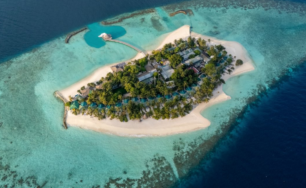
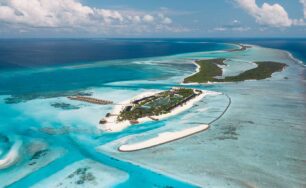
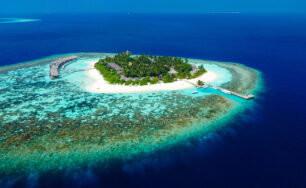
The Maldives is an archipelago of around 1,200 islands grouped into 26 natural atolls across the Indian Ocean. Tourism includes private island resorts, local island stays, liveaboards, diving and surfing trips, wellness stays and multi-island itineraries.
This guide explains how the Maldives works before you arrive. It covers what the trip will really cost, how to choose the right island, how transfers work, what to see in each atoll and how to travel responsibly.
Entry rules, taxes and transport operations can change. Sections marked “Last updated” contain time-sensitive information. Always confirm current requirements with official sources before departure.
Quick facts
- Capital
- Malé
- Islands
- around 1,192 coral islands in 26 natural atolls; only about 298 km² of the country's roughly 90,000 km² is dry land
- Population
- just over half a million
- Main international airport
- Velana International Airport (MLE), on Hulhulé island
- Airports
- five international airports and more than a dozen domestic airports across the country
- Language
- Dhivehi (English widely spoken in tourism)
- Religion
- Islam
- Currency
- Maldivian Rufiyaa (MVR); US dollars widely used in tourism
- Time zone
- UTC+5 (some resorts run their own “island time”)
- Electricity
- 230V; UK-style three-pin (Type G) sockets are most common
- Visa
- Free 30-day tourist visa on arrival, subject to entry requirements
- Traveller Declaration
- Required for every traveller, via the official IMUGA portal, within 96 hours before arrival
- Taxes on tourism services
- 17% TGST, plus Green Tax per person per night
- Alcohol
- Available at licensed resorts and tourist vessels only; importing alcohol is prohibited
- Vapes and e-cigarettes
- Banned for everyone, including visitors
- Country calling code
- +960
- Emergency
- 119 (police/emergency) · 102 (ambulance) · 118 (fire) · 191 (Coast Guard)
- Accommodation
- resorts, city hotels, guesthouses, homestays, liveaboards and yacht marinas
Start with the destination guide
The history, geography, climate, culture, language and cuisine of the islands — the background to everything in this guide.
Plan
What it really costs, when to go, and every entry rule to settle before you book.
Best timeMonth by monthTaxes & feesVisa & entrySafetyPacking Open Plan 02Travel
Velana, seaplanes, speedboats, domestic flights and ferries — including arriving late at night.
AirportsSeaplaneSpeedboatFerriesGreater MaléArriving late Open Travel 03Stay
Resorts, guesthouses, liveaboards and yachts — and how to choose between a beach and an overwater villa.
Resort islandsGuesthousesLiveaboardsBeach vs overwaterHouse reefMeal plans Open Stay 04Explore
Twenty atolls with their reefs, dive sites and airports — plus Greater Malé and Maldivian island life.
BaaAriAdduFuvahmulahGreater MaléCulture Open Explore 05Discover
Diving, surfing, marine seasons, food, itineraries and travelling the islands responsibly.
DivingSurfingMarine lifeFoodItinerariesResponsible travel Open DiscoverMaldives travel FAQs
Can You Drink Alcohol In The Maldives?
Yes, at licensed tourist resorts and tourist vessels. Alcohol is not available on inhabited local islands, and it is prohibited to bring alcohol into the country.
Can You Vape Or Smoke In The Maldives?
Vapes and e-cigarettes are banned for everyone, including tourists, and devices are confiscated on arrival. Anyone born on or after 1 January 2007 is prohibited from buying or using tobacco in the Maldives. Other adults may smoke in designated areas.
Can You Wear A Bikini?
Yes, on resort islands around beaches and pools. On inhabited local islands, wear bikinis only on designated tourist beaches, and wear modest clothing in public areas.
Do You Need A Visa?
All nationalities can receive a free 30-day tourist visa on arrival if they meet the entry requirements. Every traveller must also submit a free Traveller Declaration through the official IMUGA portal within 96 hours before arrival.
Is The Maldives Expensive?
It can be, but costs vary widely. Most prices are subject to a 10% service charge, 17% TGST and a per-person nightly Green Tax. Local island guesthouses are much more affordable than resorts. Always compare the total price, including taxes and transfers.
What Is Green Tax?
Green Tax is a per-person, per-night tax: USD 12 at resorts and larger properties, and USD 6 at qualifying small guesthouses and hotels on inhabited islands. Children under two are exempt.
Do You Need Cash?
Cards are widely accepted at resorts and many tourism businesses. Carry some cash, in US dollars or rufiyaa, for local islands, small purchases, ferries and tips.
Is The Maldives Safe?
The Maldives is generally considered a safe destination for tourists. The main risks are ocean-related, such as currents, sun exposure and diving safety, so follow local guidance and use licensed operators.
Is The Maldives Only For Honeymoons?
No. It also attracts families, divers, surfers, solo travellers, wellness travellers, food lovers, photographers and budget travellers staying on local islands.
Is The Maldives Good For Families?
Yes. Many resorts are designed around families, with kids clubs, family villas, children's programmes and shallow lagoons. Facilities vary, so compare resorts carefully.
Can Children Stay In Overwater Villas?
It depends on the resort. Some set minimum ages or require safety features. Check each property's policy.
What If My Flight Arrives At Night?
Seaplanes fly in daylight only. Late arrivals usually either take a speedboat, if the property is in range, or stay overnight near the airport and transfer the next morning.
Where Are The Best Beaches In The Maldives?
There is no single "best beach". It depends on what you want.
- Calm swimming with small children: resorts with wide, shallow lagoons.
- Snorkelling from the shore: islands with a house reef close to the beach.
- Seclusion: small private islands and sandbank excursions.
- Budget stays: designated tourist beaches on local islands such as Maafushi, Dhigurah and Thulusdhoo.
- Something different: Thoondu beach on Fuvahmulah, known for its smooth, pebble-like sand.
Beaches can change with the seasons as sand shifts with the monsoons, so recent photos and reviews help.
Are There Adults-Only Resorts?
Yes. The Maldives has a number of adults-only resorts. Many family resorts also have adults-only pools, restaurants or villa areas. Check each property's child policy. Browse our curated Adults Only collection.
Can I Have Dinner At Another Resort?
Usually not, because most resorts are on their own islands. Exceptions include multi-resort destinations and sister resorts with dine-around programmes.
Overwater Villa Or Beach Villa?
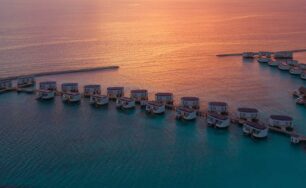
Overwater villas offer direct lagoon access and open ocean or lagoon views. Beach villas are often larger, closer to on-island facilities and may be more practical for families with young children.
Can I Combine The Maldives With Another Country?
Yes. Sri Lanka, India, the UAE, Qatar, Oman and Bhutan are commonly combined with the Maldives. Travellers often place the Maldives at the end of a multi-country itinerary.
Can You Travel Between Resorts?
Yes, but you may need to return to Velana or another transport hub first. Direct resort-to-resort transfers are not always available.
Is A Seaplane Worth It?
Seaplane journeys provide aerial views of the atolls. However, speedboats and domestic flights may be more practical depending on location, arrival time, baggage and budget.
Which Atoll Is Best For Snorkelling?
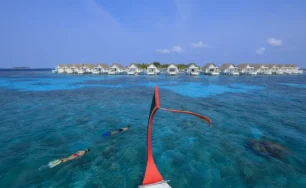
Good snorkelling exists across the country. The house reef of your specific island matters more than the atoll. For seasonal highlights, Baa Atoll (mantas, roughly May–November) and South Ari (whale sharks, year-round) are stand-outs.
Does It Rain All Day In The Wetter Season?
Not usually. Tropical rain is often brief or localised, though longer wet spells are possible. Conditions vary between atolls and from day to day.
Can You Visit During Ramadan?
Yes. Resorts operate normally. On inhabited islands, be respectful of people who are fasting, and expect changes to business hours and daily routines.
Can We Get Legally Married In The Maldives?
Resort wedding ceremonies for foreign couples are generally symbolic. Many couples complete the legal marriage at home. Check current rules before planning.
Can I Stay In An Airbnb Or Hostel?
These are much less common than in many destinations. Most independent travellers stay in registered guesthouses, city hotels or homestays. Book in advance, as your entry requirements include confirmed accommodation.
What Can I Do In Malé?
Visit Hukuru Miskiy, the National Museum and Sultan Park, browse the fish market and souvenir shops, watch surfers at Raalhugandu, or take the ferry to Villimalé. Hulhumalé, near the airport, has beaches, parks and cafés.
Is The Maldives Good For Conferences And Incentives?
Yes. Resorts, city hotels and liveaboards host meetings, retreats and incentive groups, with airport meet-and-greet, group transfers and dedicated event teams.
Are There Mosquitoes?
Yes, particularly in vegetated areas, on inhabited islands and after rain. Many resorts run mosquito-control programmes, but bring repellent.