
Explore by atoll
Twenty atolls with their reefs, dive sites and airports — plus Greater Malé and Maldivian island life.
Explore The Maldives By Atoll
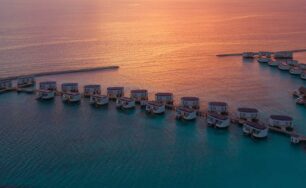
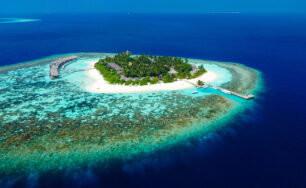
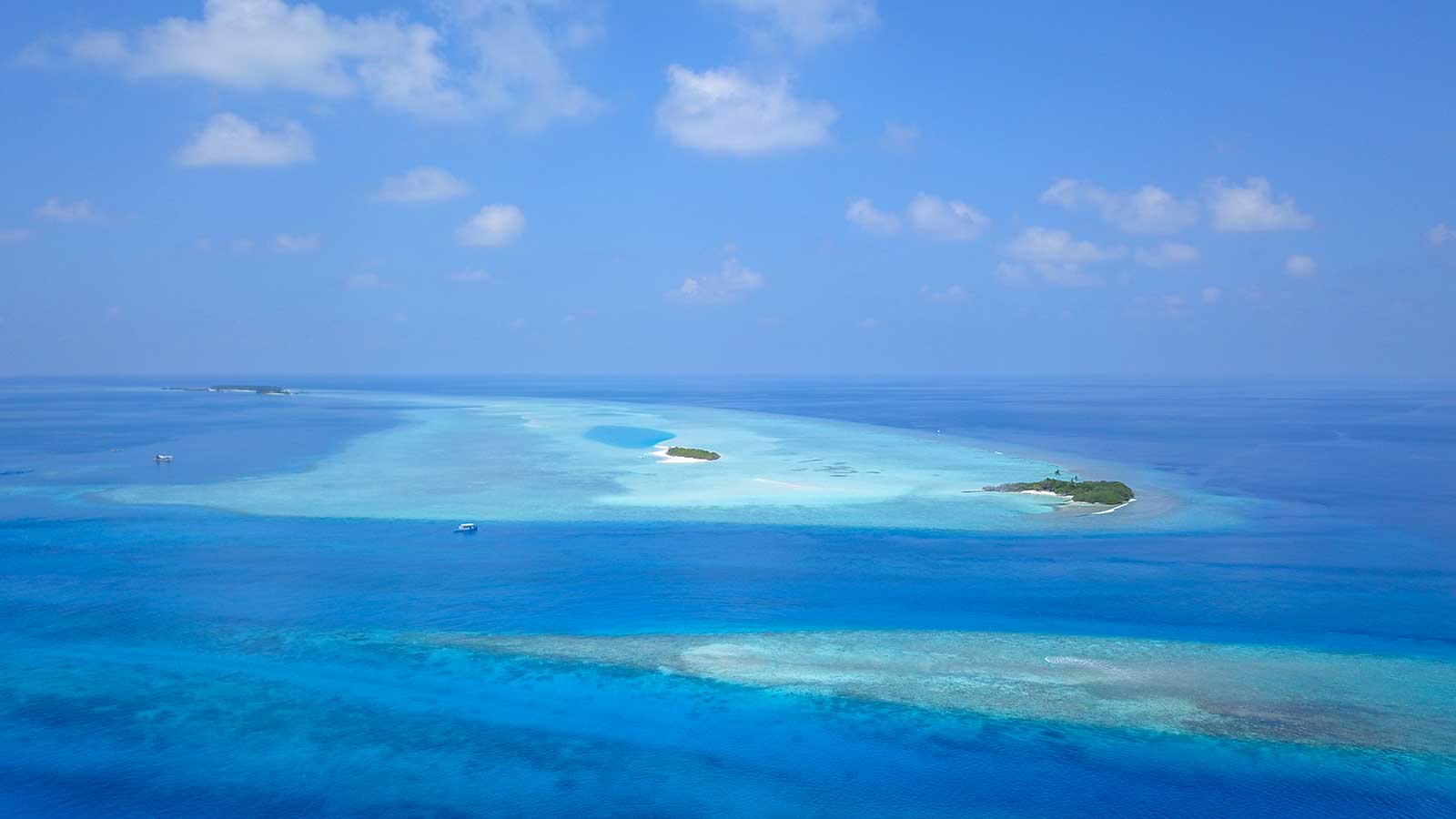
The Maldives stretches about 800 km from north to south, across the equator. Each region offers a different mix of reefs, channels, islands, marine life and transport links.
A note on atoll names
There are 26 natural (geographic) atolls, but the country is divided into 20 administrative atolls. Administrative atolls have letter-based names that often differ from the geographic names. For example:
- North Malé and South Malé Atolls = Kaafu
- Ari Atoll = Alif Alif (North Ari) and Alif Dhaal (South Ari)
- Huvadhoo Atoll = Gaafu Alif (north) and Gaafu Dhaalu (south)
- Thiladhunmathi = Haa Alif and Haa Dhaalu
- Fuvahmulah = Gnaviyani (Fuvahmulah City)
- Addu Atoll = Seenu (Addu City)
- Many atolls also have traditional Dhivehi names, such as Faadhippolhu (Lhaviyani) and Haddhunmathi (Laamu)
Resort addresses may use either name.
Atolls below are listed from north to south.
See every resort on the map
All Best of Maldives resorts plotted across the atolls — jump to any atoll and open a resort profile from its pin.
Haa Alif Atoll
Traditional name: Thiladhunmathi Uthuruburi
Capital: Dhidhdhoo · Islands: 43 (14 inhabited)
The northernmost atoll, known for remote resorts, quiet local islands and cultural heritage. Utheemu is the family home of national hero Sultan Mohamed Thakurufaanu. The island has the historic Utheemu Ganduvaru (sultan's palace), a museum and a library.
Dive sites include Aquarium and Filadhoo Wreck.
Access: domestic flight to Hoarafushi, or to Hanimaadhoo, plus speedboat, or seaplane. Local ferries link islands within the atoll.
Haa Dhaalu Atoll
Traditional name: Thiladhunmathi Dhekunuburi
Capital: Kulhudhuffushi City · Islands: 38 (14 inhabited)
A green atoll with lush vegetation, long beaches and turquoise lagoons, and boutique guesthouses and hotels offering local culture and cuisine. Kulhudhuffushi is one of the largest communities in the north.
Dive sites include Finey Thila and Heaven and Hell.
Access: Hanimaadhoo International Airport or Kulhudhuffushi domestic airport.
Shaviyani Atoll
Traditional name: Miladhunmadulu Uthuruburi
Capital: Funadhoo · Islands: 51 (16 inhabited)
A northern atoll with a small number of resorts and relatively low visitor density. Dive sites on the western flank are used by both new and experienced divers, and some resort house reefs have manta cleaning stations. Several islands also contain mangrove areas.
Access: domestic flight to Funadhoo plus speedboat, or seaplane.
Noonu Atoll
Traditional name: Miladhunmadulu Dhekunuburi
Capital: Manadhoo · Islands: 71 (13 inhabited)
Known for remote, design-led island resorts, wide lagoons and relatively untouched dive sites. These include Edu Faru, Christmas Tree Rock (X-Mas Rock) and Orimas Thila.
Access: Maafaru International Airport or Ifuru Airport plus speedboat, or seaplane. Local ferries link islands within the atoll.
Raa Atoll
Traditional name: Maalhosmadulu Uthuruburi
Capital: Ungoofaaru · Islands: 88 (15 inhabited)
A large northern atoll with colourful reefs and turquoise lagoons, many under 50 metres deep. These suit snorkelling and diving, and the atoll also has seasonal manta encounters and dolphin cruises.
Access: domestic flight to Ifuru or Dharavandhoo plus speedboat, or seaplane. Ferry networks link its islands.
Baa Atoll
Traditional name: Maalhosmadulu Dhekunuburi
Capital: Eydhafushi · Islands: 75 (13 inhabited)
A UNESCO Biosphere Reserve since June 2011. Hanifaru Bay hosts one of the largest known manta feeding aggregations during the southwest monsoon and is a snorkelling-only site (see Hanifaru Bay in Discover). Dharavandhoo is commonly used as a local-island base for Hanifaru visits.
Other sites include Hirundhoo.
Access: domestic flight to Dharavandhoo plus speedboat, or seaplane.
Lhaviyani Atoll
Traditional name: Faadhippolhu
Capital: Naifaru · Islands: 54 (4 inhabited)
A resort and diving region north of Malé, with channels, thilas, wrecks and house reefs. Resorts in the atoll offer facilities and activities including underwater dining, spa and wellness, and watersports.
Dive sites include Fushifaru Thila and the Shipyard wrecks.
Access: domestic flight to Madivaru plus speedboat, or seaplane.
Kaafu Atoll (North And South Malé)
Traditional name: Malé Atholhu
Islands: around 107 (10 inhabited, plus Malé City)
Kaafu brings together North and South Malé Atolls with the small outlying atolls of Gaafaru and Kaashidhoo. It contains the capital, Malé, and the main international airport, which makes it the most accessible tourism region. It has a wide choice of resorts, city hotels and guesthouses.
North Malé Atoll
Local islands include Thulusdhoo and Himmafushi. Several established surf breaks are located along the eastern rim of the atoll (see Surfing in Discover). Dive sites include Banana Reef, Nassimo Thila and the Hembadhoo Wreck.
South Malé Atoll
Quieter in feel, with local islands such as Maafushi, Guraidhoo and Gulhi. Dive sites include Kandooma Thila and Guraidhoo Manta Point, and there are surf breaks too.
Access: speedboat from Velana.
Resorts in North Malé Atoll 23Resorts in South Malé Atoll 15
Alif Alif Atoll (North Ari)
Traditional name: Ari Atholhu Uthuruburi
Capital: Rasdhoo · Islands: 33 (8 inhabited)
Many islands have been inhabited since ancient times, and archaeological remains from the Buddhist period have been found. Local islands include Ukulhas, Rasdhoo and Thoddoo. Dive sites include Maaya Thila.
Access: speedboat (just over an hour from Malé) or, for most resorts, seaplane.
Alif Dhaal Atoll (South Ari)
Traditional name: Ari Atholhu Dhekunuburi
Capital: Mahibadhoo · Islands: 49 (10 inhabited)
Year-round whale shark sightings are reported in the South Ari Marine Protected Area. Fenfushi has an old coral-stone mosque with decorated wooden ceilings and lacquerwork, and Buddhist remains, including a stupa, have been found on Ariadhoo. Local islands include Dhigurah and Maamigili.
Dive sites include Al Karim and Sun Island Beyru.
Access: Villa International Airport Maamigili plus speedboat, or seaplane.
Vaavu Atoll
Traditional name: Felidhu Atholhu
Capital: Felidhoo · Islands: 19 (5 inhabited)
Known among divers for dramatic channels, sharks and pelagic life, with sites such as Alimatha Jetty and Fotteyo. It is also home to the Keyodhoo shipwreck. Quiet local island stays include Fulidhoo and Thinadhoo.
Access: speedboat (just over an hour from Malé) or seaplane.
Meemu Atoll
Traditional name: Mulaku Atholhu
Capital: Muli · Islands: 33 (9 inhabited)
A quiet central atoll with undeveloped reefs and traditional island communities. The uninhabited island of Veyvah has an old mosque attributed to Sultan Mohamed Ibn Al-Hajj Ali (late 17th century). Good snorkelling includes Medhufushi Thila, with manta cleaning stations nearby.
Dive sites include Kurali Manta Point and Muli Corner.
Access: domestic flight to Thimarafushi or Dhaalu Airport plus speedboat, or seaplane.
Faafu Atoll
Traditional name: Nilandhe Atholhu Uthuruburi
Capital: Nilandhoo · Islands: 23 (6 inhabited)
A small atoll with relatively few resorts. Nilandhoo has two heritage sites: Aasaari Miskiy, one of the oldest mosques in the country, and Foah'mathi, a Buddhist-era mound. Diving is concentrated around the wide, relatively shallow channels on the northeast edge.
Access: domestic flight to Dhaalu Airport plus speedboat, local ferry, speedboat from Malé, or seaplane.
Dhaalu Atoll
Traditional name: Nilandhe Atholhu Dhekunuburi
Capital: Kudahuvadhoo · Islands: 56 (7 inhabited)
Dhaalu Atoll includes islands with long-established traditions of jewellery, silversmithing and other crafts, particularly Hulhudheli and Rinbudhoo. Kudahuvadhoo has an archaeological mound. The atoll includes resorts, local islands and dive sites.
Access: domestic flight to Dhaalu Airport (Kudahuvadhoo), local ferries and speedboats, or seaplane.
Thaa Atoll
Traditional name: Kolhumadulu
Capital: Veymandoo · Islands: 66 (13 inhabited)
A large, less-visited atoll with local communities, good surf potential and history. Tradition links it with King Koimala, who is said to have united the Maldivian islands under one kingdom, and excavations have uncovered Buddhist remains, including a large ruined stupa.
Dive sites include Whale Shark Point and Dhiffushi.
Access: domestic flight to Thimarafushi.
Laamu Atoll
Traditional name: Haddhunmathi
Capital: Fonadhoo · Islands: 82 (12 inhabited)
A southern atoll where several islands are linked by one of the country's longest link roads. Gan (Laamu) is one of the largest natural islands in the Maldives. The atoll includes mangroves, long beaches, resorts, surf breaks including Yin Yang, seagrass and turtle habitats, and Buddhist-era archaeological sites.
Dive sites include Fushi Kandu and Isdhoo East.
Access: domestic flight to Kadhdhoo plus speedboat, seaplane, or ferry/speedboat.
Gaafu Alif Atoll (Northern Huvadhoo)
Traditional name: Huvadhu Atholhu Uthuruburi
Capital: Villingili · Islands: 87 (10 inhabited)
Part of Huvadhoo, one of the world's largest natural atolls, with deep channels, pelagic diving and remote island resorts. Dhevvadhoo is traditionally linked with families from whom some ancient Maldivian kings traced their ancestry, and it has low mounds left by ruined stupas.
Access: domestic flight to Kooddoo or Kaadedhdhoo plus speedboat.
Gaafu Dhaalu Atoll (Southern Huvadhoo)
Traditional name: Huvadhu Atholhu Dhekunuburi
Capital: Thinadhoo · Islands: 153 (10 inhabited)
The atoll with the most islands in the country. It has beaches, good snorkelling, important Buddhist archaeological sites, and some of the Maldives' most celebrated uncrowded surf along Huvadhoo's southern rim.
Access: domestic flight to Kaadedhdhoo, Maavarulu or Faresmaathoda plus speedboat.
Fuvahmulah (Gnaviyani Atoll)
Administrative status: Fuvahmulah City
A single-island atoll and UNESCO Biosphere Reserve (designated 2020). It is known among experienced divers for year-round tiger shark encounters, along with seasonal thresher and hammerhead sharks, oceanic mantas and other pelagic species.
On land, the island has freshwater lakes, wetlands (kilhi), nature parks and Thoondu beach, known for its unusual smooth, pebble-like sand. Its heritage includes the ruined Buddhist stupa known as Fua Mulaku Havitta.
Access: domestic flight to Fuvahmulah.
Addu Atoll (Seenu)
Administrative status: Addu City
Islands: around 30 (17 uninhabited)
The southernmost atoll, and a UNESCO Biosphere Reserve (designated 2020). Several islands are connected by the Link Road. Addu includes protected wetlands and mangroves, nature parks, dive sites and local communities, alongside sites connected to the atoll's modern history.
During the Second World War it hosted a secret Royal Navy base, and remnants can still be seen. Gan later became a Royal Air Force station, which closed in 1976.
Dive sites include the British Loyalty Wreck and Maa Beyru.
Access: domestic or international flight to Gan International Airport.
Island counts are based on 2024 official figures and include uninhabited islands, which may be used for resorts or industry.
Local Islands And Maldivian Life
What Is A Local Island?
A local island is an inhabited island where Maldivians live and work. Since guesthouse tourism on inhabited islands began to be permitted around 2009–2010, many have developed guesthouses, hotels, dive centres, excursion businesses and cafés serving visitors.
Resort Island Vs Local Island
Resort Island
- Dedicated to tourism, usually one property per island.
- Alcohol is served in licensed venues.
- Swimwear is accepted around guest beaches and pools.
- All facilities are run by the resort.
- Higher cost; USD 12 Green Tax.
Local Island
- You stay within a Maldivian community.
- No alcohol. Guesthouses can often arrange trips to a resort or liveaboard for guests who want a drink.
- Modest dress is expected in public areas.
- Bikinis are worn only on designated tourist ("bikini") beaches.
- Local cafés, shops and daily island life are on your doorstep.
- Lower cost; USD 6 Green Tax at qualifying properties.
Greater Malé
Greater Malé is the country's urban heart and its hub for domestic transport. A day or overnight stay here shows a side of the Maldives that few visitors see. For transport details, see Getting Around Greater Malé in Travel.
Malé City
Malé is the capital and one of the most densely populated cities in the world. It is compact and walkable, with cafés, restaurants and shops on almost every block.
Highlights include:
- Hukuru Miskiy (Old Friday Mosque): built in the 17th century, with intricately carved coral stone.
- The Grand Friday Mosque and the newer King Salman Mosque.
- The National Museum, which traces centuries of seafaring history.
- Sultan Park, a small green oasis, and Lonuziyaarai Park.
- Republic Square and the area around the Presidential Palace.
- The fish and local produce markets.
- Souvenir shops towards the end of Chaandhanee Magu.
- Artificial Beach and Rasfannu Beach, the city's swimming beaches.
- Varunulaa Raalhugandu, a surf spot with a viewing area.
Dress modestly in the city, and remove shoes and cover up when visiting mosques outside prayer times. Ask permission before entering.
Hulhumalé
Hulhumalé is a planned, reclaimed island developed from the late 1990s and early 2000s to ease congestion in Malé. It is linked by road to the airport, and via the Sinamalé Bridge to Malé.
It is larger and more spacious than Malé, with wider roads and many guesthouses, hotels and cafés. Attractions include:
- Hulhumalé Central Park.
- Centro Mall.
- A skate park and volleyball courts.
- Long public beaches, with dive and watersports centres along the beach road.
Many waterfront hotels offer day rooms, which are useful for long layovers and late departures.
Villimalé
Villimalé (formerly Villingili) is a small residential ward of the capital, a short ferry ride from Malé. Only electric or battery-powered vehicles are allowed, and it is noticeably greener and calmer than the city.
It has two main beach areas: one with deeper water and watersports, and the Villimalé public beach, with shallow water and views of Malé. There are also barbecue spots, a few guesthouses, and cafés and restaurants.
Local Islands Commonly Visited by Travellers
- Maafushi (South Malé): the most developed guesthouse island, with a wide choice of excursions.
- Thulusdhoo (North Malé): surf and a relaxed atmosphere.
- Guraidhoo and Gulhi (South Malé): quieter options close to the airport.
- Dhigurah (South Ari): a long beach and whale shark trips.
- Ukulhas (North Ari): a well-kept island known for its community recycling efforts.
- Rasdhoo (North Ari): diving and hammerhead dawn dives at nearby sites.
- Thoddoo (North Ari): farms and fruit plantations, and a beach.
- Fulidhoo (Vaavu): a small, peaceful island with nurse sharks and rays at the harbour.
- Dharavandhoo (Baa): the base for Hanifaru Bay.
- Fuvahmulah: tiger shark diving, lakes and Thoondu beach.
- Addu City islands: the Link Road, wetlands, diving and history.
Each island offers a different balance of beach, diving, surfing, excursions and community life.
Language
Dhivehi is the national language. It is an Indo-Aryan language related to Sinhala, with roots in Sanskrit and with regional dialects. It is written in Thaana script, right to left. Thaana emerged around the 16th–17th centuries, and its letters were derived partly from Arabic numerals and partly from older Dhivehi numerals.
English is widely spoken in tourism and taught in schools.
A few useful expressions:
- Assalaamu alaikum – a common greeting
- Shukuriyaa – thank you
- Haalu kihineh? – how are you?
- Ran'galhu – good / fine
History In Brief
The Maldives has been inhabited for well over 2,000 years. Its position on Indian Ocean trade routes made it a meeting point for seafarers and traders from South Asia, Arabia, East Africa and beyond, and that mix shaped Maldivian people, food and traditions. The islands were Buddhist before converting to Islam in the 12th century, and archaeological sites across the atolls still show that earlier era.
Other milestones:
- Independence from British protection: 1965.
- Republic: established in 1968.
- Resort tourism: began in 1972.
Arts And Crafts
Maldivian crafts reflect the island environment:
- Carved coral stone and calligraphy in historic mosques.
- Lacquerwork (laa jehun), with intricate hand-carved patterns.
- Woven mats (thundu kunaa).
- Jewellery and silverwork traditions in Dhaalu Atoll.
The traditional dhoni was historically built from coconut timber. Many are now built with imported timber and modern tools, while retaining the traditional hull form. Bodu beru drumming and dance remain part of community celebrations.
When buying souvenirs, look for locally made crafts rather than imported goods, and avoid anything made from coral, turtle shell or shark products.
A Culture Of Hospitality
On a scattered island nation surrounded by ocean, community and hospitality have long been essential to survival. That warmth is central to the Maldivian visitor experience, whether you stay in a resort, guesthouse, homestay, liveaboard or city hotel.
Religion And Customs
The Maldives is an Islamic country, and Islam shapes daily life on inhabited islands.
- Dress modestly in community areas, especially near mosques. Cover shoulders and knees.
- Public displays of affection should be limited on local islands in line with local customs.
- Ask before photographing people, and do not photograph inside mosques without permission.
- During Ramadan, avoid eating, drinking or smoking in public on inhabited islands during daylight hours, and follow your accommodation's guidance.
Fridays
Friday is the main weekly day of congregational prayer, and the weekend in the Maldives is Friday and Saturday. On Fridays, many shops close around midday prayers and ferry schedules are reduced. Plan connections carefully.
Entry rules, taxes and transport operations can change. Sections marked with an update stamp contain time-sensitive information. Always confirm current requirements with official sources before departure.Guide last reviewed: September 2026