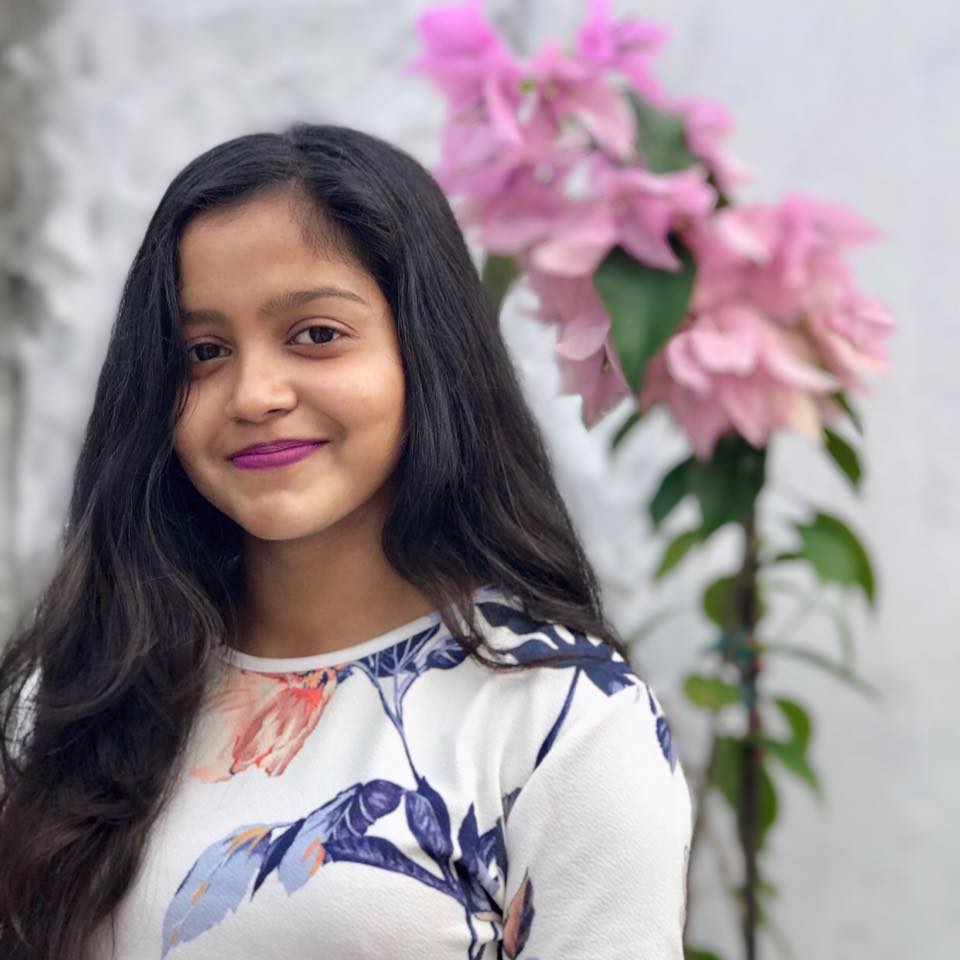

Dwi Kumalasari
Director of Sales & Marketing at Alila Kothaifaru Maldives
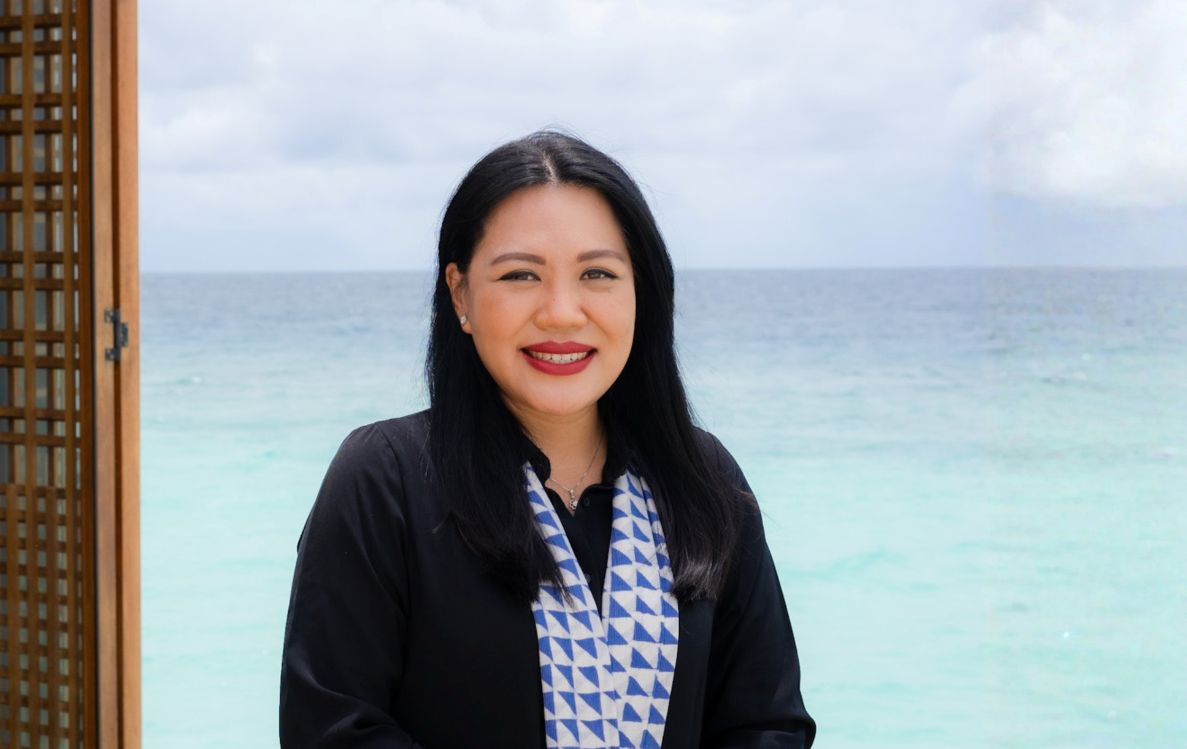
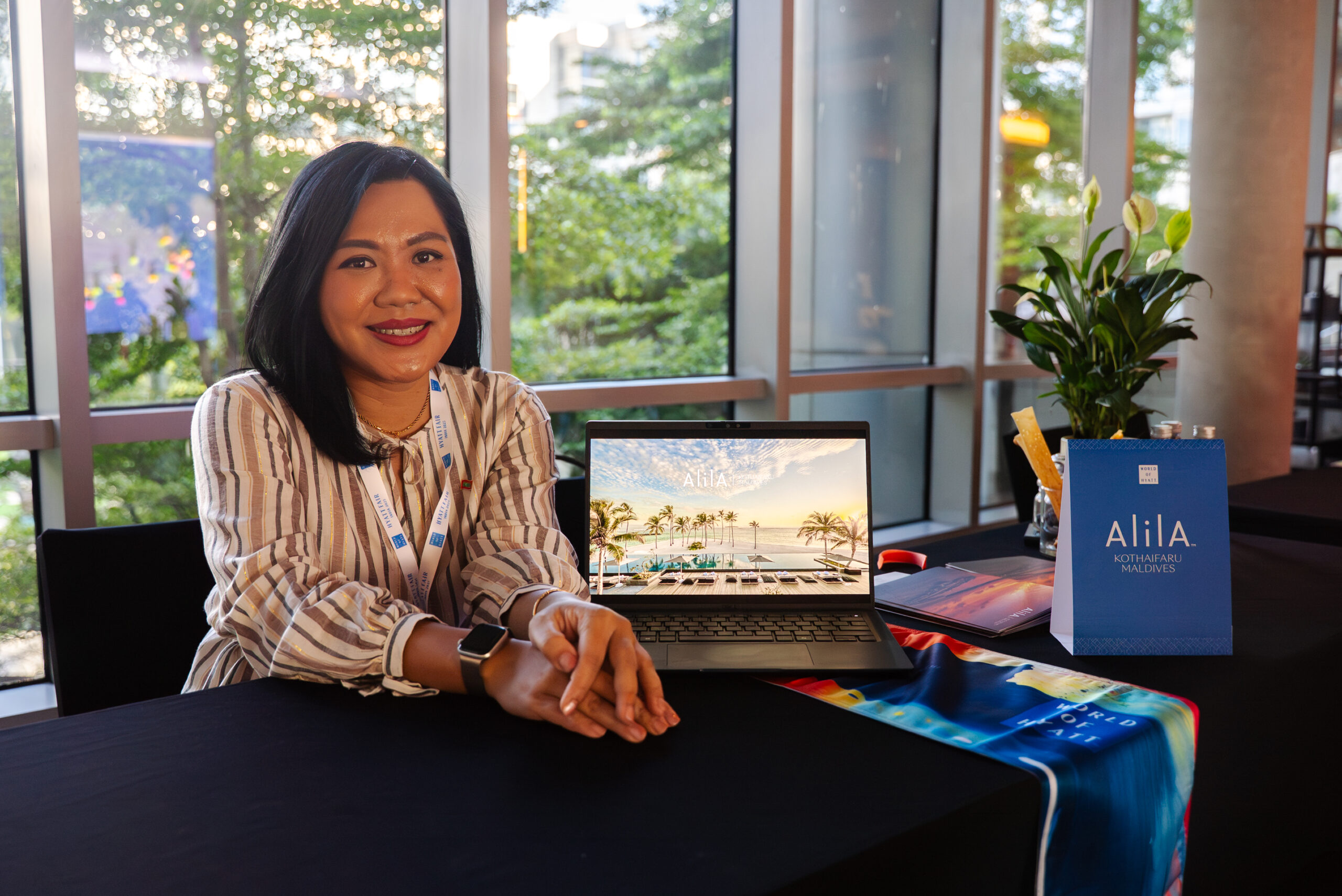
With a career spanning nearly two decades across some of hospitality’s most recognised brands, Dwi Kumalasari, Director of Sales & Marketing at Alila Kothaifaru Maldives, has gained a deep understanding of what drives successful hospitality organisations, from creating meaningful guest connections to building strong, distinctive brand identities.
In this exclusive interview, she reflects on her journey across leading resorts, the changing expectations of today’s travellers, and the strategies that help hospitality brands stand out in an increasingly competitive global market.
You have worked with some of the industry’s most recognised hospitality brands. What common traits have you observed among the most successful hospitality organisations?
The most successful hospitality organisations have a very clear sense of identity. They know who they are, what they stand for, and the emotional connection they want to create with their guests. Across the brands I have worked with, including Andaz Bali, InterContinental Bali Resort, and Banyan Tree Ungasan, I have found that the strongest organisations share a few common traits.
First, they are deeply guest-centric. They do not simply deliver service; they anticipate needs, personalise experiences, and create moments that guests remember long after they leave.
Second, they have strong internal alignment. Sales, marketing, revenue, operations, and guest experience teams work towards the same brand promise. When that alignment is strong, guests experience consistency at every touchpoint.
Successful hospitality organisations also recognise that investing in people is essential. Luxury is not defined only by design, location, or facilities, but by the people who bring the brand experience to life every day. This belief reflects Hyatt’s core purpose: “We care for people so they can be their best.” It is a commitment I have experienced throughout my journey with Hyatt.
Finally, the best organisations are adaptable. Hospitality is constantly changing, and the brands that remain relevant are those that listen, evolve, and innovate without losing their core identity.
Having spent many years in sales and marketing leadership, what do you believe separates a successful hospitality brand from one that simply competes on product and price?
A brand that competes only on product and price can be easily replaced. There will always be another resort with a beautiful villa, a better promotion, or a newer facility. What separates a successful hospitality brand is its ability to create meaning.
In luxury hospitality, guests are not only buying a room or a package. They are investing in how they want to feel. They seek privacy, connection, discovery, wellbeing, celebration, or transformation. A successful brand understands these emotional motivations and builds its experience around them.
From a sales and marketing perspective, this means going beyond selling features. We need to communicate stories, values, experiences, and a unique sense of place. The strongest brands create trust and emotional loyalty, not just transactions. Price will always play a role, but when a brand has a strong identity, a clear story, and a consistent guest experience, it earns the right to command value rather than compete only through discounts.
The Maldives continues to attract new international brands and luxury properties. In such a dynamic and competitive market, how do you ensure Alila Kothaifaru Maldives maintains a distinctive identity?
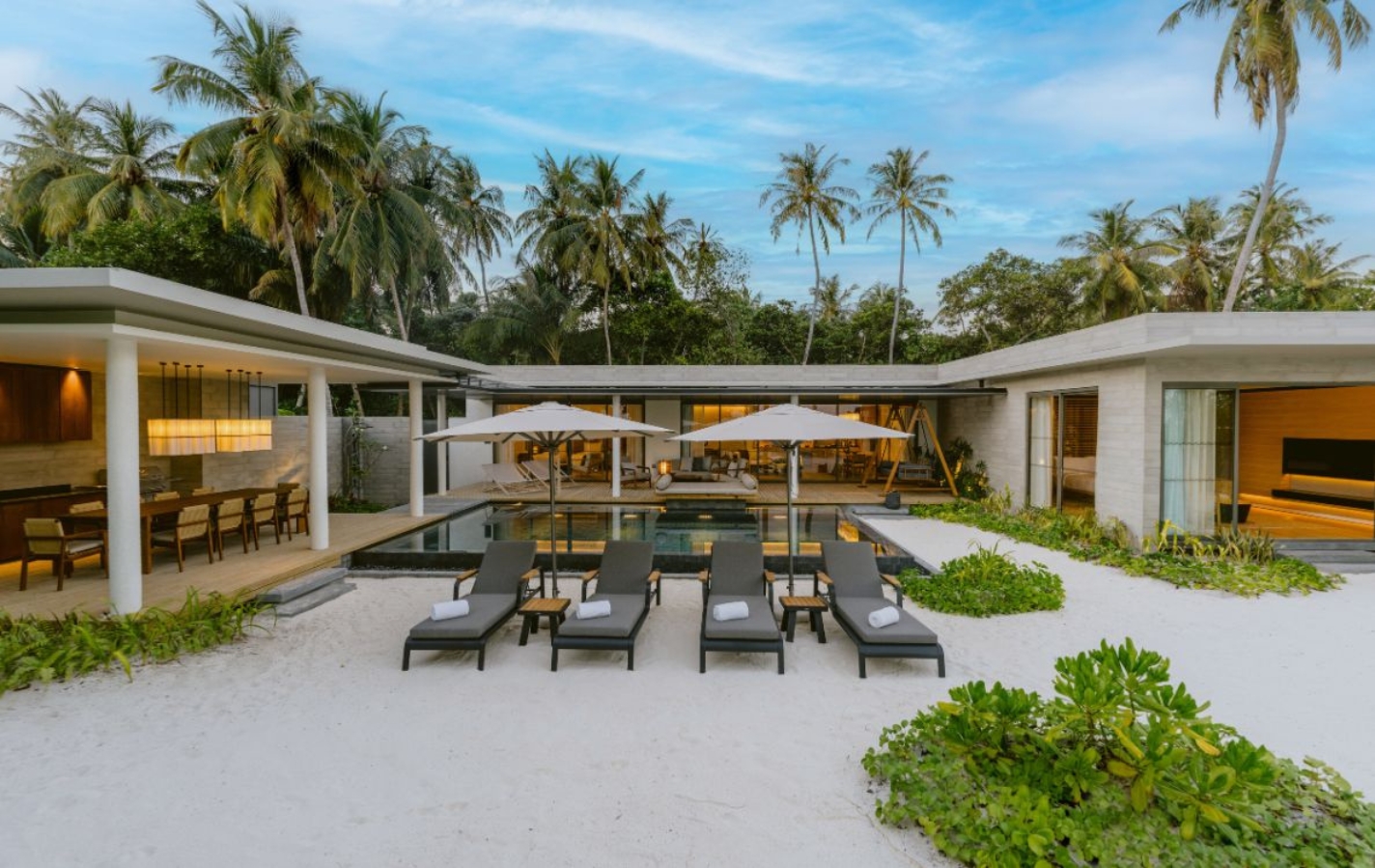
The Maldives is one of the most competitive luxury destinations in the world, so differentiation is essential. For Alila Kothaifaru Maldives, a Hyatt resort, the key is to stay clear about what makes the brand distinct and communicate that consistently.
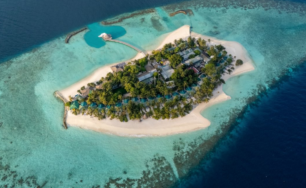
Alila is not only about luxury in the traditional sense. It is about meaningful, conscious, and authentic experiences. At Alila Kothaifaru Maldives, we have the natural beauty of Raa Atoll, a strong sense of privacy, thoughtful design, and experiences that connect guests with nature, wellbeing, and the local environment.
To maintain a distinctive identity, we must focus on the guests who truly connect with our brand values. This means highlighting experiences that are immersive, personal, and rooted in a sense of place.
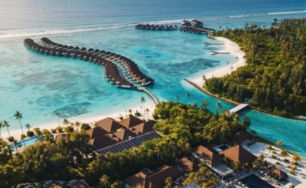
Many resorts can showcase turquoise waters and overwater villas. Our opportunity is to tell a deeper story: the feeling of arrival, quiet luxury, connection to nature, culinary journeys, wellness philosophy, and the genuine warmth of our team. Ultimately, our distinctiveness comes from brand clarity, emotional storytelling, guest experience, and team delivery.
Data and technology are playing an increasingly important role in hospitality. How do you balance data-driven decision-making with creativity and intuition in your marketing strategy?
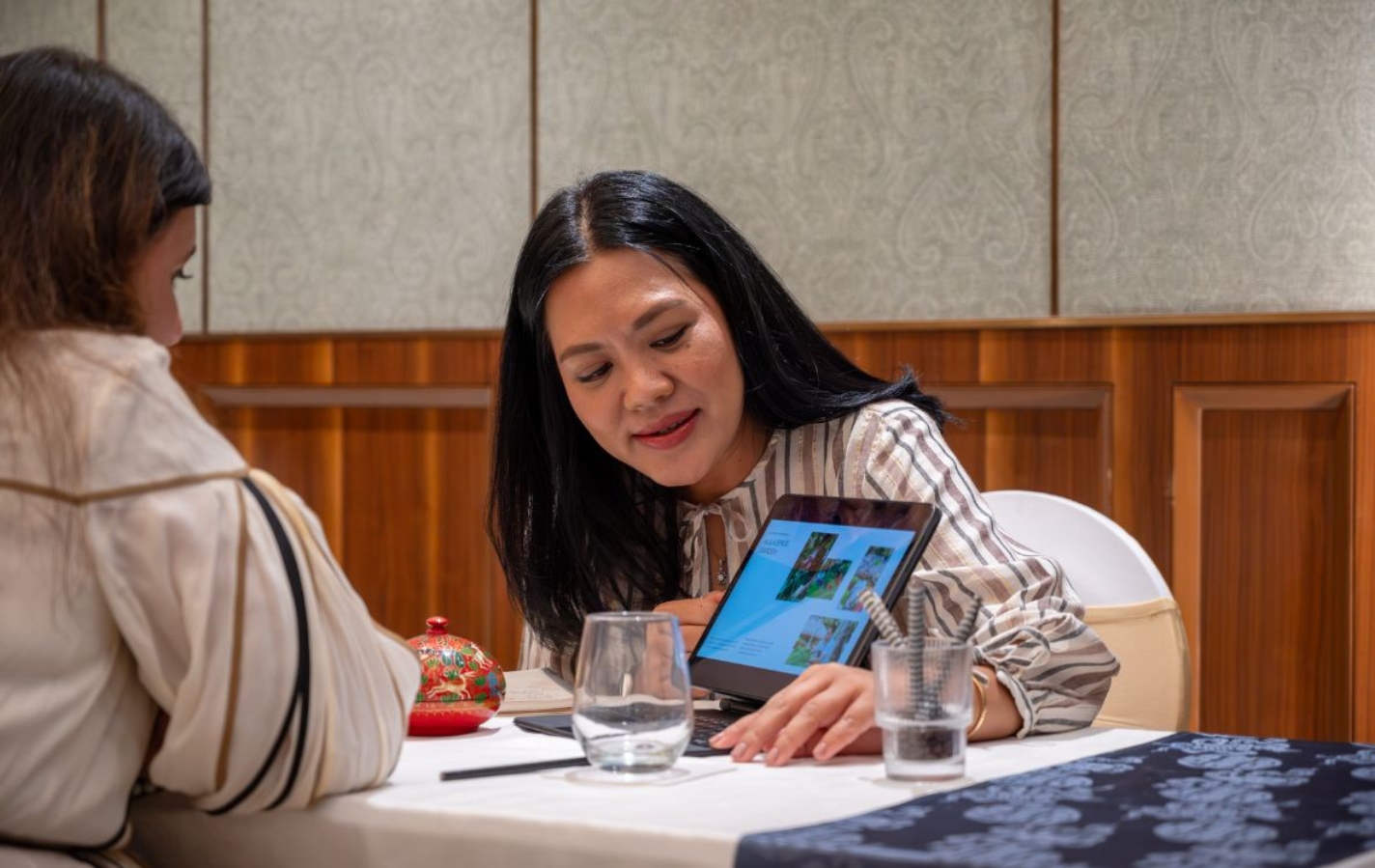
I see data and creativity as supporting partners, not opposites. Data helps us understand the guest, the market, and the performance of our strategies, while creativity helps us turn those insights into meaningful stories and experiences.
In marketing, data can show us booking patterns, source markets, guest preferences, campaign performance, lead times, conversion rates, and revenue opportunities. This allows us to make smarter decisions and allocate resources effectively. However, data alone does not create desire. Luxury hospitality still depends on emotion, aspiration, and storytelling. We need to understand not only what guests are doing, but why they are doing it.
Data may show demand from a particular market or segment. Creativity helps us craft the right message, choose the right imagery, design the right offer, and create a campaign that feels relevant and inspiring. My approach is to use data as the foundation, creativity as the expression, and intuition as the bridge between the two. The best marketing strategies are informed by evidence but brought to life with imagination.
Team development has been a recurring theme throughout your career. What qualities do you look for when building and mentoring high-performing commercial teams?
When building a high-performing commercial team, I look for a combination of attitude, agility, accountability, and emotional intelligence. Skills are important, but technical expertise alone is not enough. In hospitality, success depends on collaboration and relationships.
I value people who are curious, proactive, and willing to learn. The commercial landscape changes quickly, so team members must be open to new ideas, technologies, and ways of working. I also look for ownership. High-performing teams understand the goal, take responsibility, and find solutions. Resilience is another important quality. Sales and marketing can be demanding, with shifting markets, changing business levels, and strong competition. A strong team needs to remain focused, positive, and solution-oriented.
As a leader, my role is to create clarity, provide guidance, remove obstacles, and give people the confidence to grow. I believe in mentoring through trust, honest feedback, and opportunities for team members to challenge themselves and grow beyond their comfort zones.
Looking ahead, what emerging travel trends do you believe will have the greatest impact on the Maldives over the next five years, and how should resorts prepare for them?
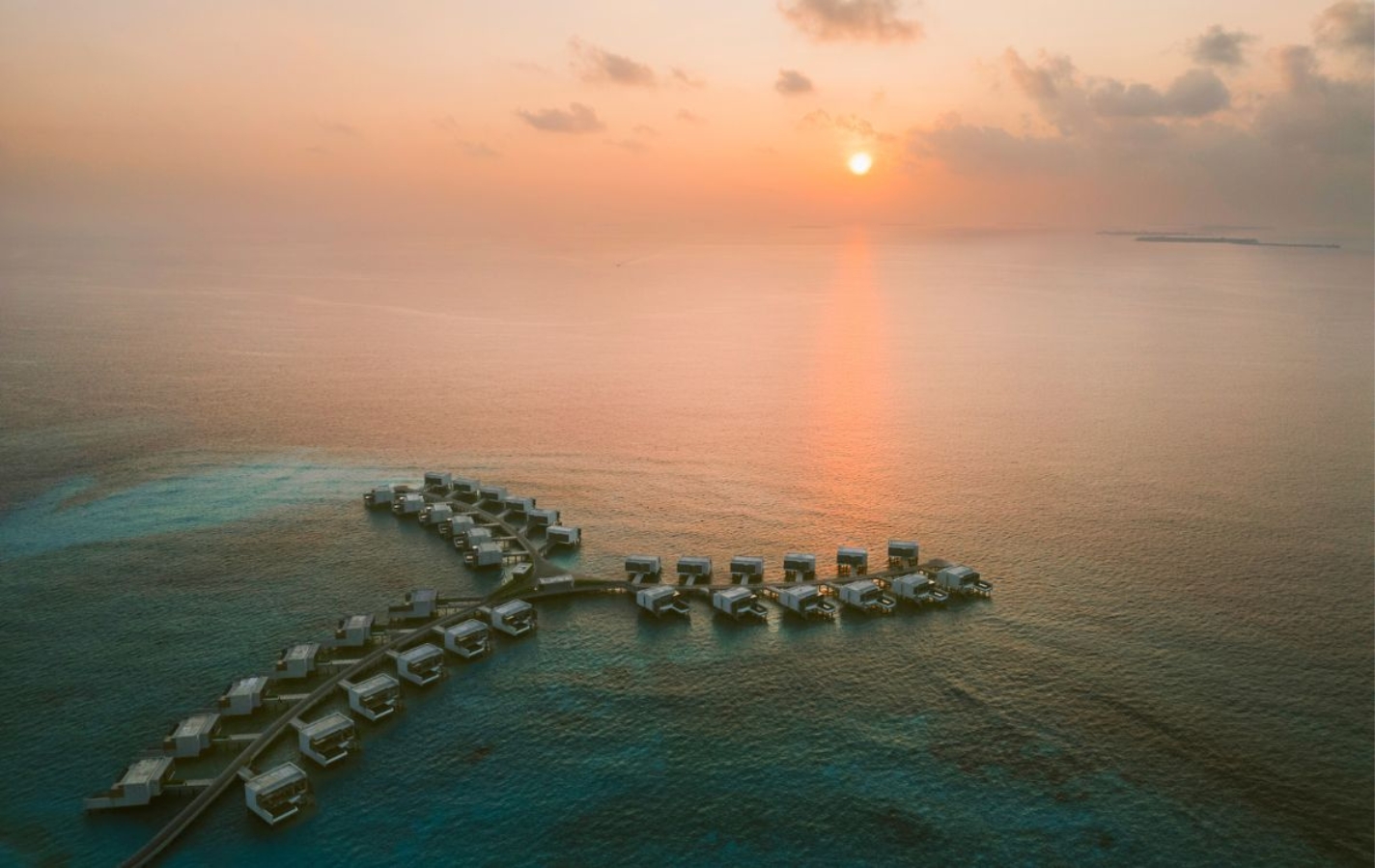
The Maldives is entering an exciting yet highly competitive phase, with tourism continuing to perform strongly. As data and market intelligence become increasingly important, resorts will need to remain agile and responsive to evolving traveller expectations.
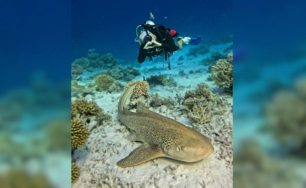
Over the next five years, experiential and purposeful luxury is likely to be a key trend, with guests seeking meaningful experiences connected to culture, nature, wellness, cuisine, marine life, and local communities rather than simply high-end accommodation. Wellness and longevity travel will also continue to grow, expanding beyond traditional spa offerings to include sleep, mindfulness, nutrition, movement, emotional wellbeing, and science-backed programmes.
At the same time, sustainability and regenerative tourism will become increasingly important as travellers look for tangible environmental and social impact through initiatives such as coral restoration, waste reduction, local sourcing, energy efficiency, marine conservation, and community engagement. Personalisation through data and technology will further shape the guest experience, enabling more relevant communication while maintaining the human touch that defines hospitality. Market diversification will also remain essential, requiring resorts to understand changing travel behaviours and avoid overreliance on a single source market.
To succeed, resorts must invest in brand differentiation, digital capabilities, sustainability, team development, and innovative experiences that create emotional value beyond the destination itself.
Having built a career spanning nearly two decades and multiple disciplines within hospitality, what advice would you give to young professionals aspiring to grow into senior commercial leadership roles?
My advice to young professionals aspiring to senior commercial leadership roles is to stay curious, stay humble, and take ownership of their own growth.
A strong commercial leader needs to understand more than one discipline. Sales, marketing, revenue management, distribution, digital, public relations, branding, and operations are all interconnected. Gaining exposure across different areas early in your career provides a broader perspective and stronger foundation for future leadership. While creativity is important, commercial leadership also requires strong business thinking. Understanding financial performance, market trends, profitability, forecasting, and how strategic decisions influence results is essential for long-term success.
Building strong relationships is equally important. Hospitality is a people-driven industry, and the ability to collaborate with owners, general managers, agencies, partners, clients, and teams can have a significant impact on your career. Resilience is another key quality, as career progression is rarely linear and often involves challenges, changing market conditions, and uncertainty.
Finally, I believe integrity is one of the most valuable qualities a professional can possess. Titles, markets, and brands may change, but your reputation remains with you throughout your career. For me, hospitality has always been about creating meaningful connections between people, places, and experiences. Commercial success becomes truly sustainable when it is built on a clear brand identity, a strong team culture, and a genuine understanding of what guests value.