Sonika Adlakha
Commercial Director at The Standard, Huruvalhi Maldives, by Hyatt
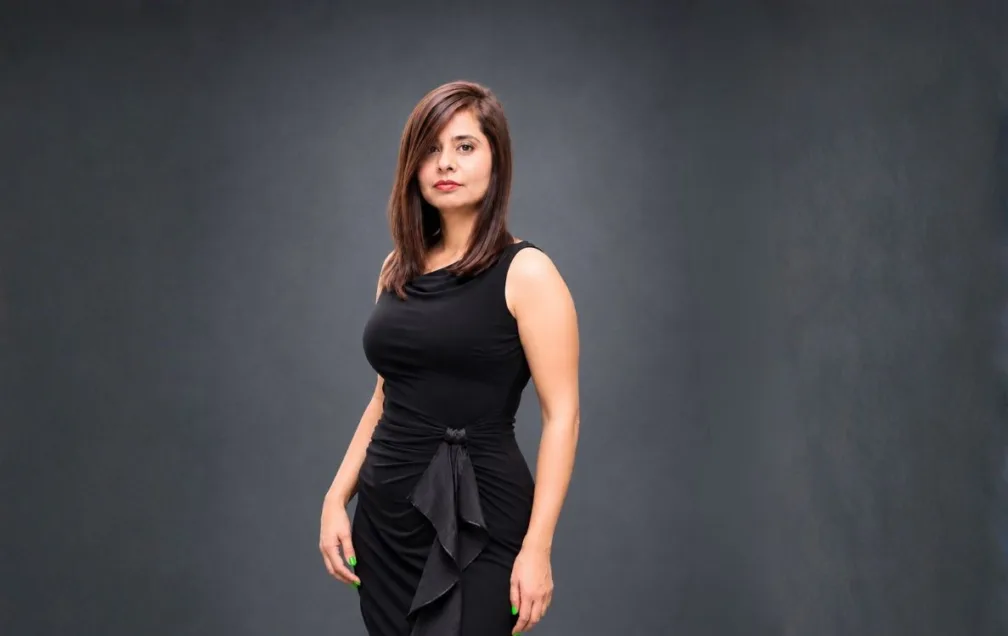
With over two decades of international hospitality experience, Sonika Adlakha, Commercial Director at The Standard, Huruvalhi Maldives, by Hyatt, brings extensive expertise in commercial leadership, strategic sales, marketing, revenue management and market development.
In this interview, she discusses the commercial vision shaping the resort’s next chapter, its upcoming enhancements and the opportunities to strengthen its appeal across established and emerging international markets. She also shares her views on modern hospitality leadership and developing future talent, especially women aspiring to senior roles.
Your career has taken you across several international hospitality markets. How have these experiences shaped your approach to commercial leadership at The Standard, Huruvalhi Maldives, by Hyatt, with its distinctive lifestyle identity?
More than two decades of experience across international hospitality markets have reinforced one fundamental principle: successful commercial leadership requires a deep understanding of markets, consumer behaviour and the ability to translate opportunities into sustainable business performance. Traveller expectations, cultural influences and market dynamics differ from region to region, but the fundamentals stay the same: know your customer segments, deliver a compelling brand proposition and build partnerships that create long-term value.
My experience across multiple commercial disciplines has also demonstrated that sales, marketing, revenue management, distribution and brand positioning cannot operate independently. They must function as an integrated commercial ecosystem.
This is particularly relevant at The Standard, Huruvalhi Maldives, by Hyatt. The brand has a distinctive personality built around individuality, social energy and unconventional experiences. The opportunity lies in turning that identity into a compelling proposition for today’s experience-driven traveller, one that stands out clearly in the competitive Maldives landscape.
Ultimately, effective commercial leadership means growing the business while protecting the brand, and ensuring that every commercial decision enhances the overall guest experience.
As The Standard, Huruvalhi Maldives, by Hyatt enters a new chapter, how do you see your role in shaping the resort’s commercial direction while maintaining its unique brand identity?
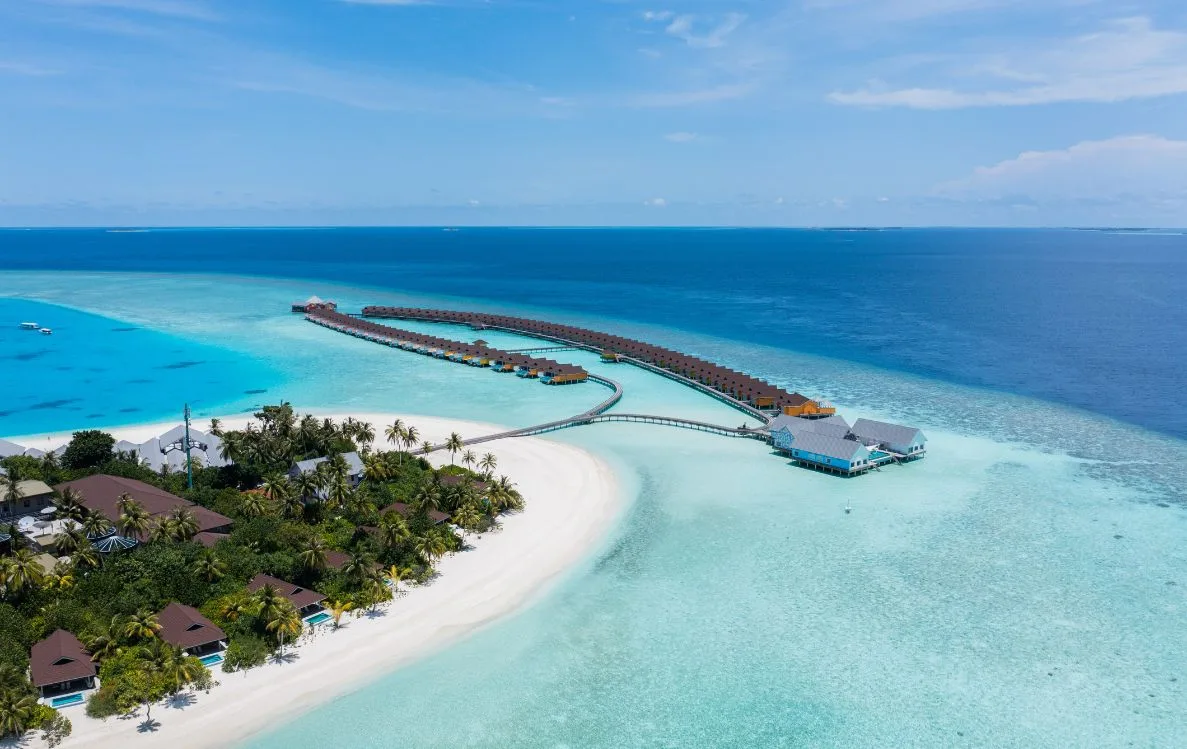
The next chapter of the resort requires a clearly defined commercial vision that connects product evolution, brand positioning and financial performance. The priority is to look beyond immediate revenue opportunities and establish a sustainable business strategy that strengthens the resort’s competitive position and long-term market relevance.
The Standard, Huruvalhi Maldives, by Hyatt, has a distinctive lifestyle identity and a strong foundation on which to build. The opportunity is to reinforce this positioning through strategic product investment, sharper market segmentation and a more integrated approach to demand generation and distribution.
This requires a clear understanding of the competitive landscape, pricing and distribution strategies that balance occupancy, rate integrity and profitability, and close alignment between ownership, Hyatt, resort leadership and operational teams.
A successful commercial strategy must translate into an experience that consistently delivers on the brand promise. The objective is to combine the individuality and unconventional character of The Standard with Hyatt’s global reach and established service standards, creating a differentiated proposition that drives sustainable demand, strengthens market share and delivers long-term value to the business.
The Standard, Huruvalhi Maldives, by Hyatt is introducing several enhancements across its accommodation, dining and recreational offerings. What is the vision behind these developments, and how will they further enrich the guest experience?
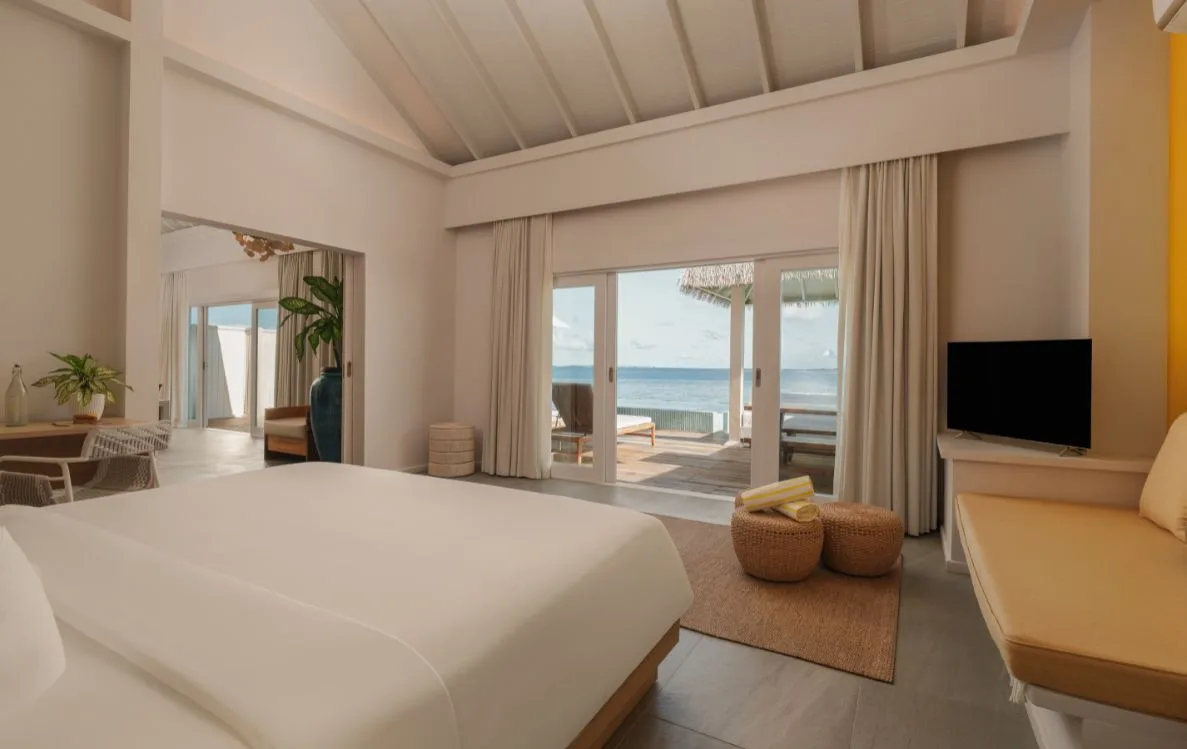
The vision is to evolve the resort into a more comprehensive lifestyle destination, where accommodation, gastronomy, recreation, social experiences and wellness complement one another to create a distinctive island experience.
Each enhancement has been considered with two objectives in mind: strengthening our competitive proposition and creating additional reasons for guests to choose The Standard, Huruvalhi Maldives, by Hyatt. The refurbishment of our beach and overwater villas will introduce more contemporary interiors while preserving the individuality and character that define the brand. In dining, the introduction of an exclusive Chef’s Table, the new Castaway Bar on Baby Island and the transformation of BBQ Shak into The Beach Grill will create more distinctive culinary and social experiences, with an emphasis on interaction, grilled specialities, fresh seafood and local flavours.
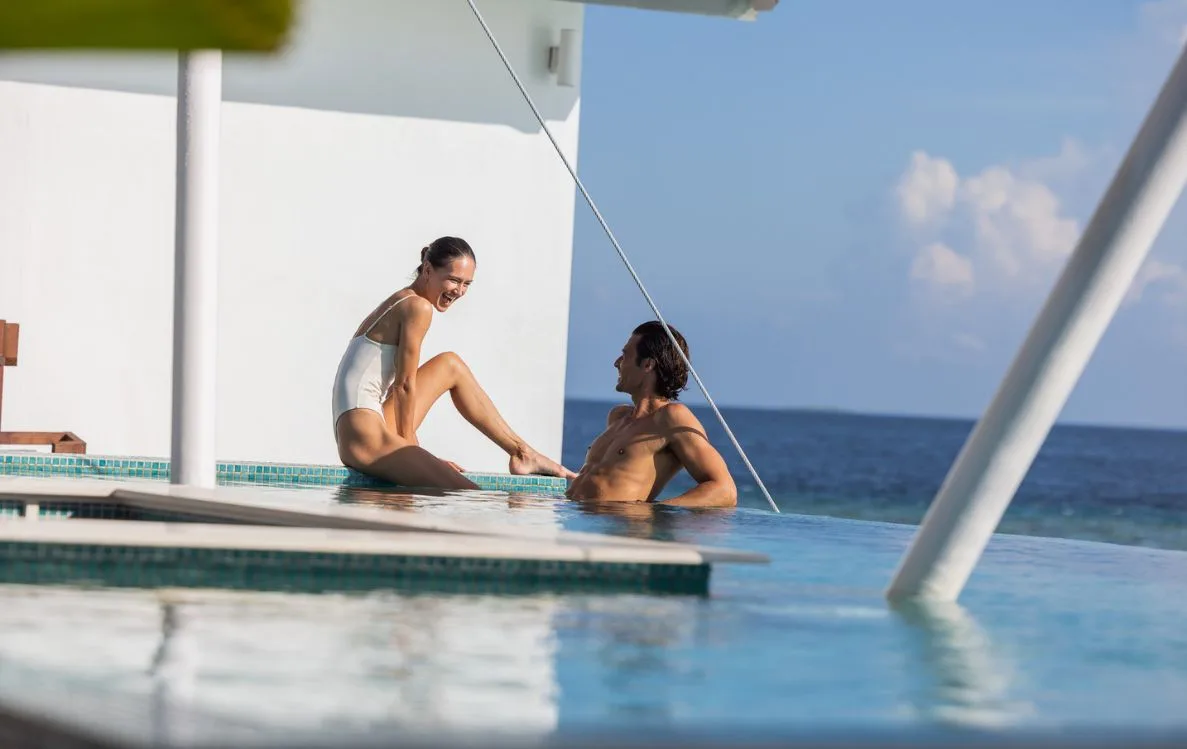
Recreation and wellness are equally important to this evolution. The addition of pickleball alongside our existing tennis facilities responds to the growing interest in active and social travel. Meanwhile, the enhanced overwater wellness centre will bring together hydrotherapy, steam, infrared sauna, cold plunge, an infinity pool and personalised wellness journeys.
The intention is not simply to add more facilities, but to create experiences that are distinctive, memorable and closely associated with the personality of The Standard.
With refreshed villas and expanded family-friendly facilities, how is The Standard, Huruvalhi Maldives, by Hyatt responding to the evolving preferences of travellers?
Family travel has changed considerably. Today’s travellers want destinations that cater to different generations and interests, while still offering plenty of time together. Our strategy is to create a more flexible and inclusive family proposition.
The refreshed villas will offer contemporary comfort, while the expanded Lil’ Shark Kids Club, enhanced Art Hut, new Outdoor Adventure Zone and dedicated Teen Lounge will provide younger guests with more opportunities for creativity, exploration, activity and social interaction. An important consideration is that younger children and teenagers have very different interests and expectations. A successful family offering therefore needs to go beyond traditional kids’ facilities, creating age-appropriate environments and programmes that make the experience relevant to each group.
This also gives parents the freedom to enjoy the resort’s dining, wellness and recreation, knowing their children are well engaged. Yet the real value lies in the moments families share, through dining together, marine exploration and activities across the island. The aim is a destination with something meaningful for everyone, without losing the social spirit that sets The Standard apart.
From a commercial perspective, how do you see these enhancements strengthening The Standard, Huruvalhi Maldives, by Hyatt’s appeal across existing and emerging source markets?
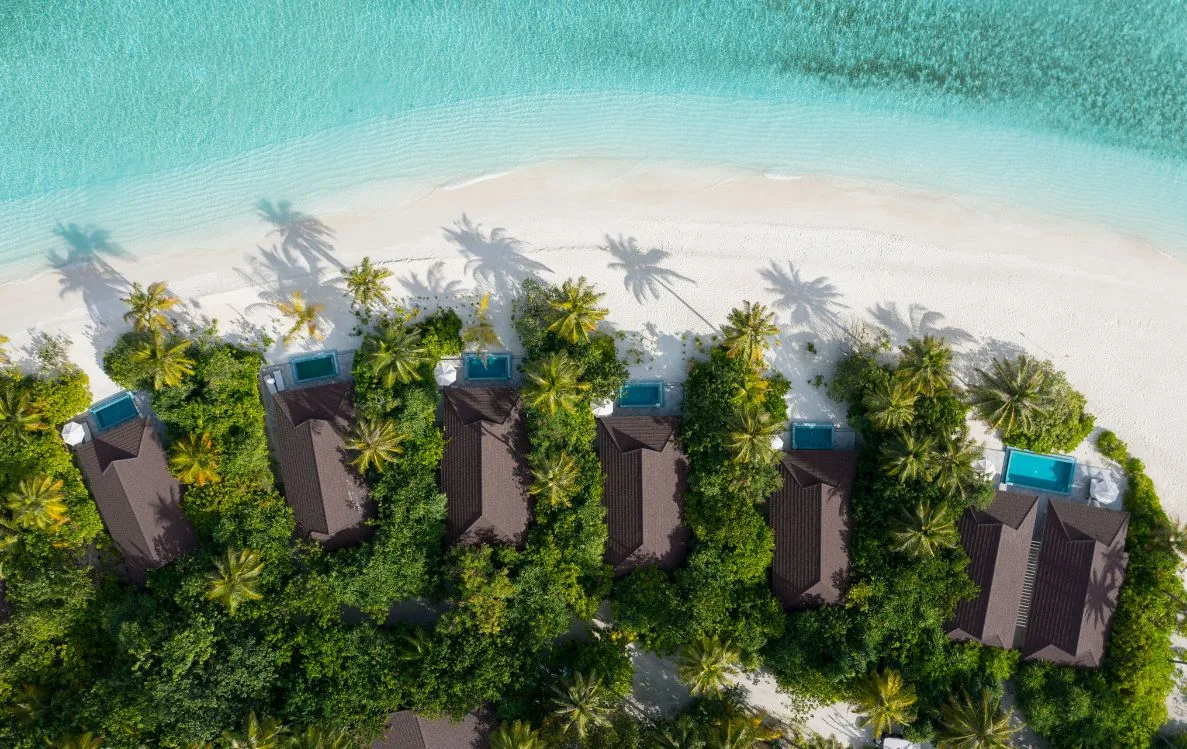
These enhancements are a significant investment in the resort’s competitive positioning, demand diversification and long-term commercial performance. In the Maldives, natural beauty alone no longer sets a resort apart. Today’s travellers are more discerning and place greater weight on the quality and variety of experiences on offer.
The new accommodation, dining, wellness and recreational concepts allow us to deepen engagement in established source markets and open up opportunities in emerging ones. Expansion, however, must be targeted and commercially disciplined. Demand trends, booking patterns, customer preferences, competitive intelligence and distribution economics guide where we invest, which partnerships we prioritise and how we shape the overall business mix.
Product investment must also be matched by effective brand communication and market activation, supported by the right trade relationships and marketing channels, so that new experiences become compelling reasons to travel. The objective is stronger revenue performance and a more diversified, resilient business.
Having worked across different hospitality markets, what qualities do you believe are most important for commercial leaders navigating the changing expectations of today’s travellers?
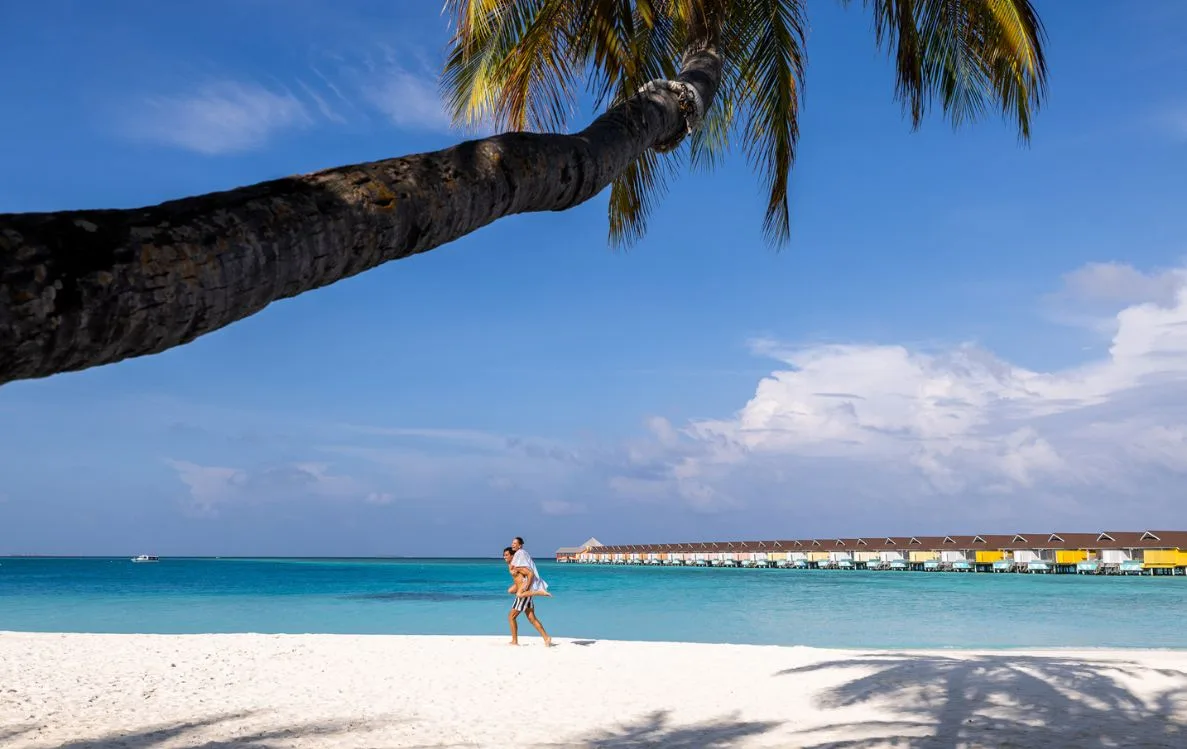
Today’s commercial leaders need strategic vision, financial acumen, market intelligence, adaptability and strong people leadership. Reading market dynamics, interpreting data and turning insights into sound decisions remain fundamental.
However, hospitality is ultimately a people-driven business. Understanding consumer psychology, evolving travel motivations and the emotional connection guests develop with a brand is just as important as understanding the numbers.
Commercial leaders must be able to anticipate emerging trends, challenge conventional thinking and ensure that the product and its market positioning remain relevant. Adaptability is particularly important in an environment where distribution models, technology, consumer expectations and competitive dynamics continue to evolve. They must also align commercial and operational teams around shared priorities and the guest promise, and show resilience, accountability and emotional intelligence when navigating uncertainty.
Above all, the distinction between generating revenue and generating the right revenue is fundamental. Sustainable commercial success requires balancing immediate financial performance with long-term profitability, brand equity and customer trust.
Drawing from your own career journey, what advice would you offer to the next generation of hoteliers, particularly women aspiring to leadership roles in the industry?
Hospitality is an industry that rewards curiosity, resilience and the willingness to continuously evolve. Building a successful career requires looking beyond functional responsibilities and developing a comprehensive understanding of the business, from operations and finance to commercial strategy, marketing and guest experience.
For women aspiring to leadership, confidence, professional credibility and a willingness to take on demanding responsibilities are essential. Leadership opportunities rarely arrive at the perfect moment; more often, they are created by demonstrating capability, taking ownership and having the courage to challenge established thinking.
Equally important is building meaningful professional relationships. Mentors, sponsors, colleagues and industry peers can provide valuable guidance, but leadership is also about creating opportunities for others. Experienced professionals have a responsibility to share knowledge, develop talent and contribute to building a more inclusive leadership environment.
Ultimately, leadership should be measured not simply by the position achieved, but by the businesses strengthened, the people developed and the opportunities created along the way. The future of hospitality belongs to leaders who can combine commercial intelligence with human understanding, embrace innovation and build businesses that remain relevant in an increasingly dynamic global environment.